
Acid reflux occurs when the lower oesophageal sphincter doesn’t close properly, allowing stomach acid to flow back into the oesophagus and cause heartburn.

There are over 65 million people in the UK, and it’s estimated that more than 1 in 10 suffer from reflux disease.
Living with reflux, also known as gastro-oesophageal reflux disease (GORD), can be more than just a nuisance. It’s a chronic condition in which stomach acid and bile flow back into the oesophagus because a weakened muscle, acting as a one-way valve, isn’t doing its job properly. This guide demystifies acid reflux and reflux disease, offering a clear, comprehensive overview to help you understand and manage your symptoms. You can also watch this video with Dr Nick Boyle to learn more about GORD treatment.
Below, you’ll find:
Our goal is to give you the knowledge and confidence to improve your quality of life, whether your journey starts with simple lifestyle changes, medication, or advanced procedures. The information here is grounded in current medical understanding, but it’s intended as guidance, not a substitute for professional advice. Always consult your healthcare team about the best options for your specific situation.
Watch this video with Dr Nick Boyle to learn more about Gastroesophageal Reflux Disease treatment.
Reflux disease is caused by inappropriate relaxation or weakness in a muscle called the lower oesophageal sphincter (LOS). Normally, the LOS acts like a one-way valve, letting food and liquid pass through to the stomach while preventing stomach contents from flowing back into the oesophagus. In people with reflux disease, this muscle is weak or relaxes inappropriately, allowing acid and bile to flow back up.
Most people with reflux will not develop complications, but it helps to know what they can be. In some people, reflux disease can lead to:
Barrett’s oesophagus is a condition in which the normal lining of the lower oesophagus changes, often due to chronic acid reflux. This change increases the risk of developing oesophageal adenocarcinoma, though the overall risk remains relatively low for most people.
It’s a common misconception that acid reflux is simply the result of eating the wrong thing. In reality, reflux disease is a genuine physiological condition, caused by a fault in the body’s natural barrier between the stomach and oesophagus, not a lifestyle failing. Understanding this distinction matters, because it shapes how the condition is diagnosed, treated, and talked about.
Accurately identifying the underlying cause of your symptoms is the most vital first step towards effective treatment.
The most common symptom of reflux disease is heartburn, though reflux disease can produce a wide variety of other symptoms too.


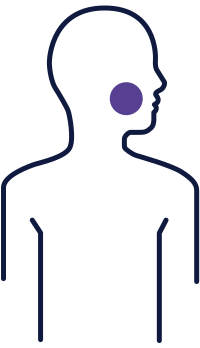


There are several tests your consultant may use to diagnose reflux disease. Here are some examples.
Endoscopy is a test that examines the oesophagus and lower oesophageal sphincter (LOS) for evidence of reflux disease.
A simple clinic test is now offering an alternative to endoscopy for Barrett’s oesophagus screening. Heartburn Health, an NHS-backed community research programme, is looking for volunteers to take part in the BEST4 Cytosponge test.
The programme is bringing together over 120,000 people with heartburn, indigestion and acid reflux to share information about their health and take part in research to improve care. If you have these symptoms, you can sign up and be part of research that could change lives.
High-resolution manometry assesses the strength of your oesophageal muscles and looks for underlying swallowing conditions, such as achalasia.
A barium meal is a diagnostic test used to detect abnormalities of the oesophagus, stomach and small bowel using x-ray imaging.
Reflux disease can affect your life beyond the symptoms you feel day to day. Patients with reflux disease often experience:
Our page on living with reflux disease covers these everyday impacts, and how to manage them, in more depth.
Foods and drinks worth reducing or avoiding include:
Alongside dietary and lifestyle changes, medication is commonly used to treat heartburn, the most common symptom of reflux disease.
There are many reasons patients consider surgery as an alternative to medical therapy. It’s worth asking yourself:
There are several surgical options for reflux disease when medication and lifestyle changes aren’t enough. Each is covered in full detail in our Acid Reflux and Oesophagitis guide:
For more than four decades, OPA Cancer Charity has campaigned against oesophageal and gastric cancers, raising awareness of the signs of these cancers. We also encourage anyone whose heartburn, indigestion or acid reflux lasts three weeks or more to have it checked by a doctor. Wherever you are on your journey, whether newly diagnosed, undergoing treatment, or years into recovery, OPA is here for you. From navigating chemotherapy, radiotherapy or surgery, to offering guidance and resources, we’re dedicated to providing vital information and compassionate support to those affected by these cancers.
Heartburn happens when stomach acid flows back into your oesophagus. Large meals, spicy foods, or lying down soon after eating can trigger it.
Acid reflux can cause a burning sensation in the chest, often after eating or at night. It’s different from a heart attack, but severe or persistent pain should always be checked.
Stomach acid coming up into your throat can leave a sour or bitter taste, especially in the morning or after meals.
Try sleeping with your head raised, avoiding late meals, and reducing trigger foods such as coffee, alcohol, or spicy dishes. Your doctor may recommend medication if needed.
Heartburn itself is benign, and occasional heartburn is very common. If it lasts three weeks or more, is severe or changes, it is worth checking with your doctor, as ongoing reflux can irritate the oesophagus and, in some people, lead to Barrett’s oesophagus.
Common triggers include fatty foods, chocolate, caffeine, spicy foods, alcohol, and acidic foods such as tomatoes or citrus. Keeping a food diary can help you identify your own triggers.
Over-the-counter antacids, H2 blockers, or proton pump inhibitors (PPIs) can help. Always follow your doctor’s advice for long-term use.
Yes. Losing weight, eating smaller meals, avoiding lying down after eating, quitting smoking, and limiting alcohol can all help reduce symptoms.
See a doctor if heartburn is frequent, painful, or accompanied by difficulty swallowing, unexplained weight loss, vomiting, or chest pain.
Most people with reflux will never develop cancer. In a small number of people, long-term reflux can cause changes to the lining of the oesophagus (Barrett’s oesophagus), and most people with Barrett’s do not go on to develop cancer. If your symptoms are long-standing or have changed, ask your GP whether you need a check.
OPA Cancer Charity is proud to hold the PIF TICK, the UK-wide independent quality mark for trustworthy health and wellbeing information.

Our free booklets have helpful information about diagnosis, treatments and recipe advice.
Talk to people who are living with Oesophageal or Gastric Cancer, share your experiences.
Our free patient buddy service is an over the phone service that is here for you.
We support patients, caregivers and their families. Whether you find yourself in the initial stages or further along in your journey, the OPA is committed to offering free support and guidance.