


Acid Reflux
Acid reflux occurs when the Lower Oesophageal Sphincter doesn’t close properly, allowing stomach acid to flow back into the oesophagus, causing heartburn.
Jump to:
Introduction
Did you know? There are over 65 Million people in the UK and it is estimated that over 1 in 10 people suffer from Reflux Disease.
Living with reflux – also known as Gastro-Oesophageal Reflux Disease (GORD)– can be more than just a nuisance; it’s a chronic condition where stomach acid and bile flow back into the oesophagus due to a weakened muscle acting as a one-way valve . This booklet demystifies reflux disease, offering a clear, comprehensive overview that empowers readers to better understand and manage their symptoms.
Watch this video with Dr Nick Boyle to learn more about Gastroesophageal Reflux Disease treatment.
Below, you’ll find:
- What reflux is and how it affects the oesophagus and overall well-being.
- Lifestyle and dietary strategies to help reduce symptoms. Guidance on medication, including how and when to use antacids, H₂‑receptor blockers, and proton-pump inhibitors.
- A comparison of treatment options, from traditional fundoplication surgery to innovative treatments like the LINX® magnetic sphincter augmentation
system, TIF procedure and Reflux Stop® surgery. - A balanced exploration of the pros and cons of each approach, offering you clear discussion points to bring to your healthcare provider.
Our goal is to provide you with the knowledge and confidence to improve your quality of life – whether your journey begins with simple lifestyle changes, medication, or advanced procedures. Remember, while the information here is grounded in the latest medical understanding, it’s intended for guidance and not a substitute for professional advice.
Always consult with your healthcare team about the best options foryour specific situation.
What is Reflux Disease?
Reflux (also called Gastro-oesophageal Reflux Disease, or GORD) is a chronic digestive condition and a physiological disease, in which acid and bile flow back from the stomach into the oesophagus. This occurs due to a dysfunction in the body’s natural barrier between the stomach and oesophagus, often creating pain and potentially damaging the oesophageal lining.
What Causes Reflux Disease?
Reflux disease is caused by inappropriate relaxation or weakness in a muscle called the lower oesophageal sphincter (LOS). Normally the LOS acts like a one-way valve, allowing food and liquid to pass through to the stomach, but preventing stomach contents from flowing back into the oesophagus.
Complications of Reflux Disease
In addition to producing a wide range of symptoms, reflux disease can lead to potentially serious complications including:
- Oesophagitis (Inflammation that can damage the tissue of the oesophagus) Stricture (Narrowing of the oesophagus)
- Barrett’s Oesophagus (Pre-cancerous changes to the tissue lining the oesophagus)*
- Oesophageal and Gastric cancer (in rare cases)
In people with reflux disease, the lower oesophageal sphincter is weak or relaxes inappropriately, allowing acid and bile to flow back from the stomach into the oesophagus.
* Barrett’s oesophagus is a condition in which the normal lining of the lower oesophagus changes, often due to chronic acid reflux. This change increases the risk of developing oesophageal adenocarcinoma, but the overall risk is relatively low for most people.
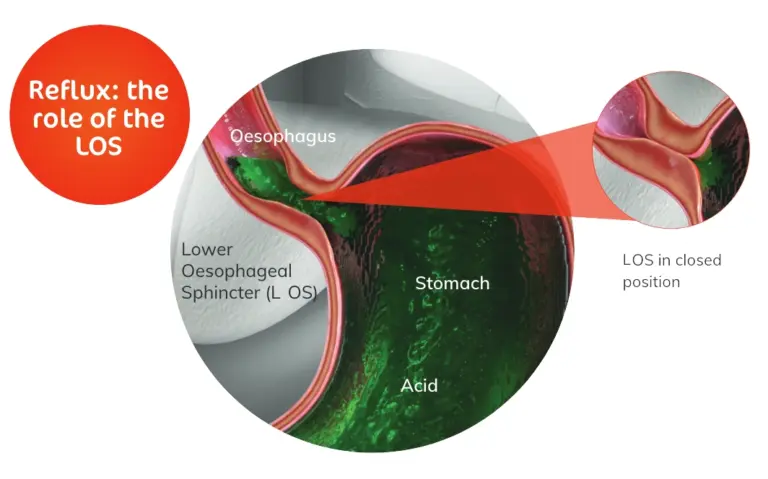
Relux is a disease not a bad meal choice
Symptoms
Accurately identifying the underlying cause of your symptoms is the most vital first step on your path to effective treatment.
- Acid reflux affects up to 20% of the population and is on the rise
- The main causes are diet, obesity, smoking, medication and pregnancy
- Women are more likely to experience severe symptoms of GORD
(Gastro-oesophageal reflux disease) - The symptoms of acid reflux get worse with age
The most common symptom of reflux disease is heartburn. However, reflux disease can produce a wide variety of symptoms including those listed below.
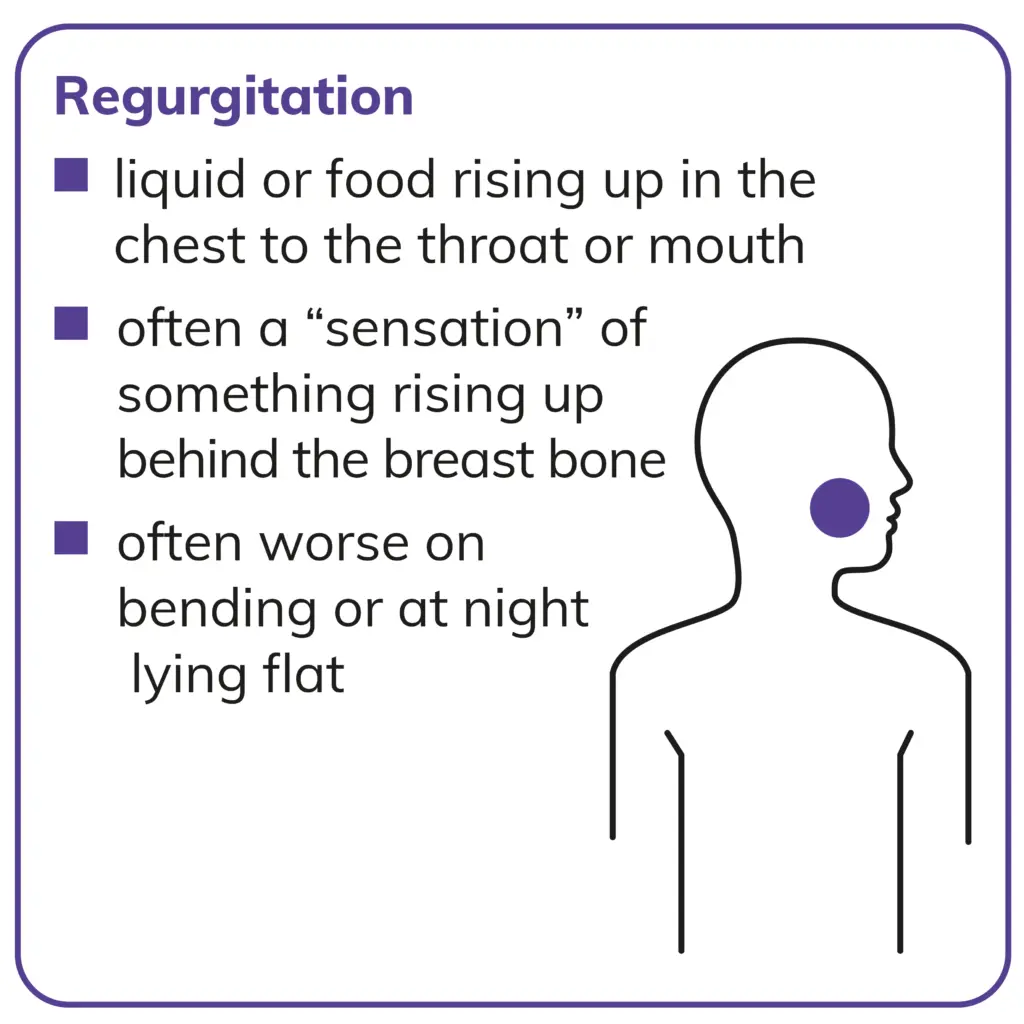
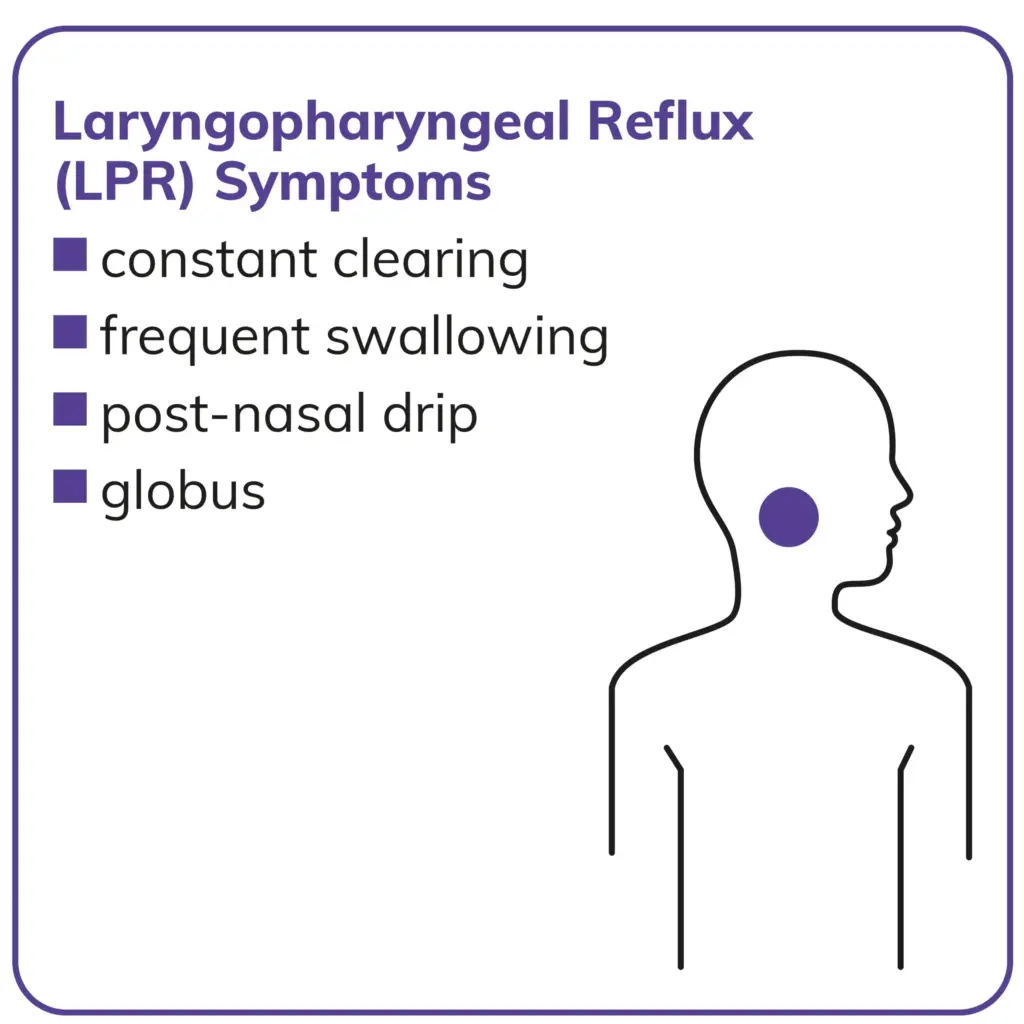
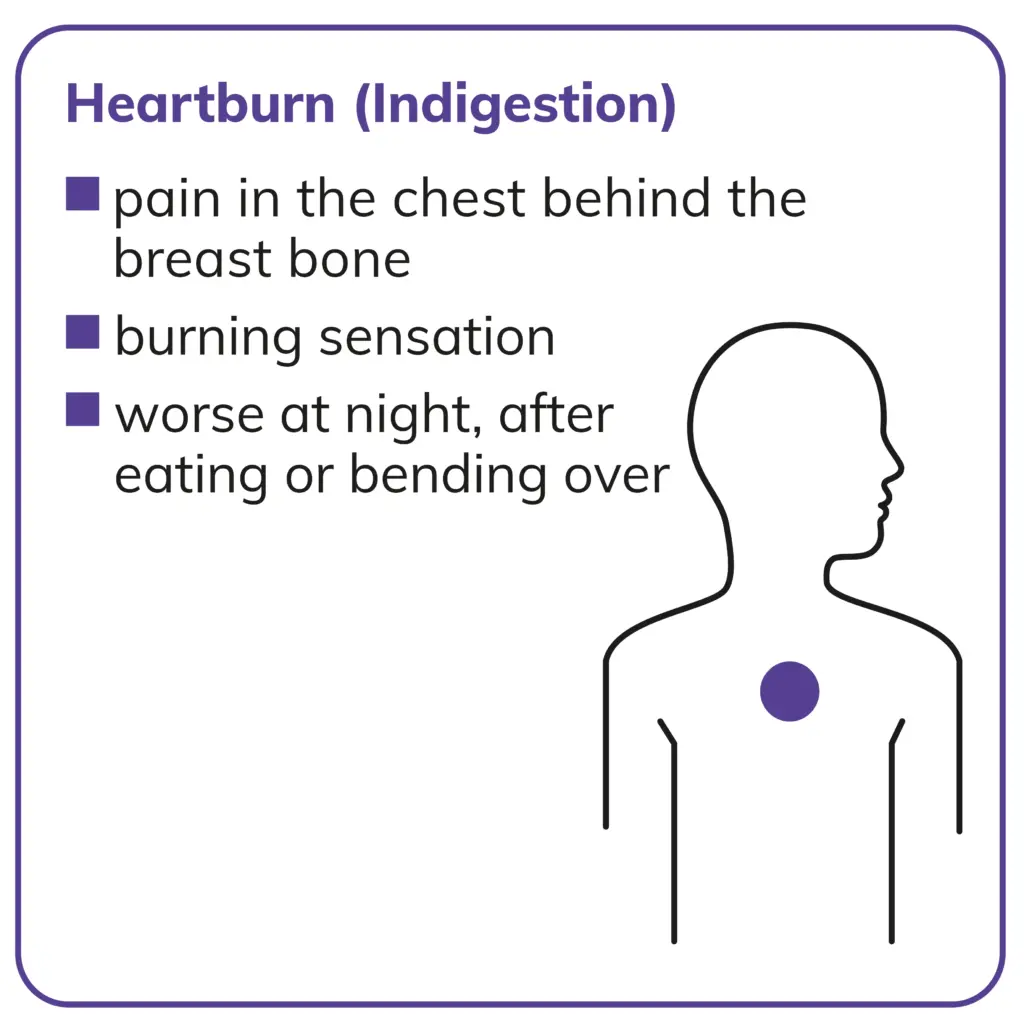
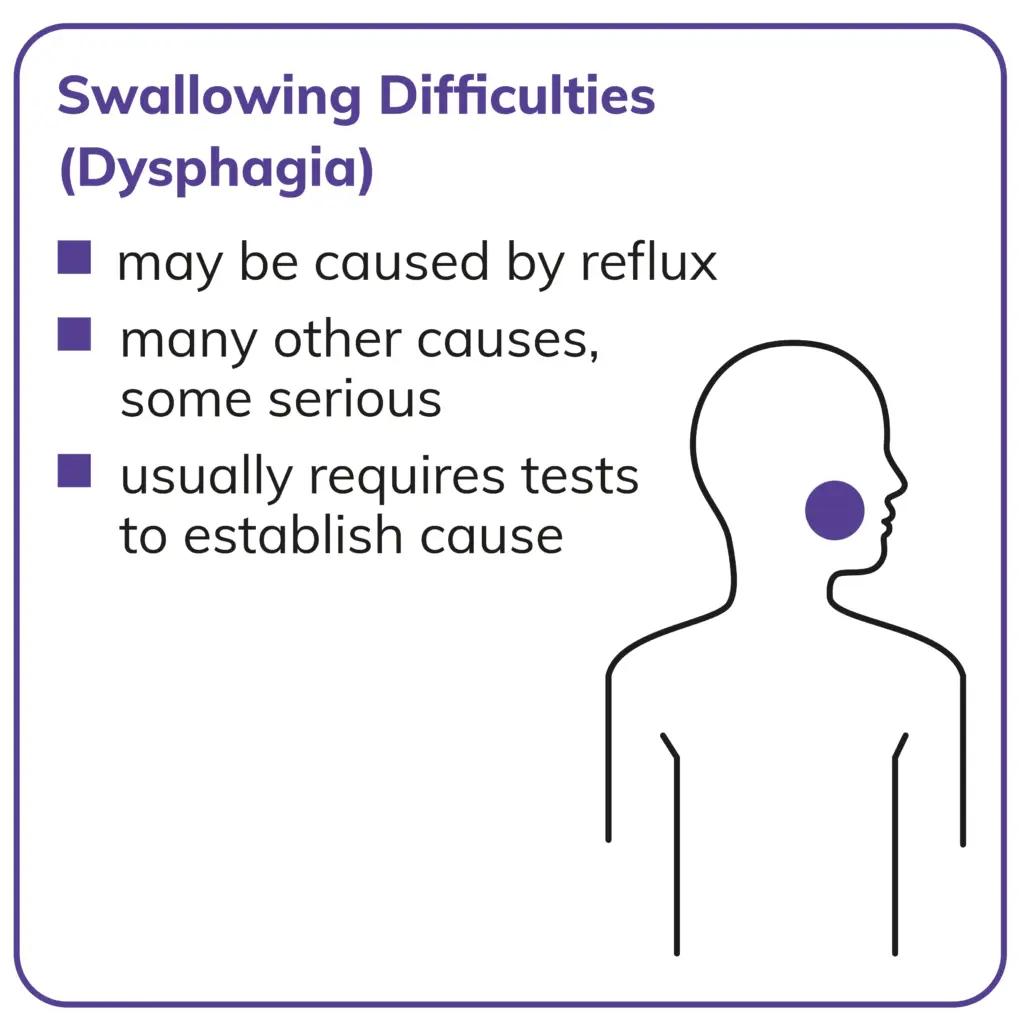
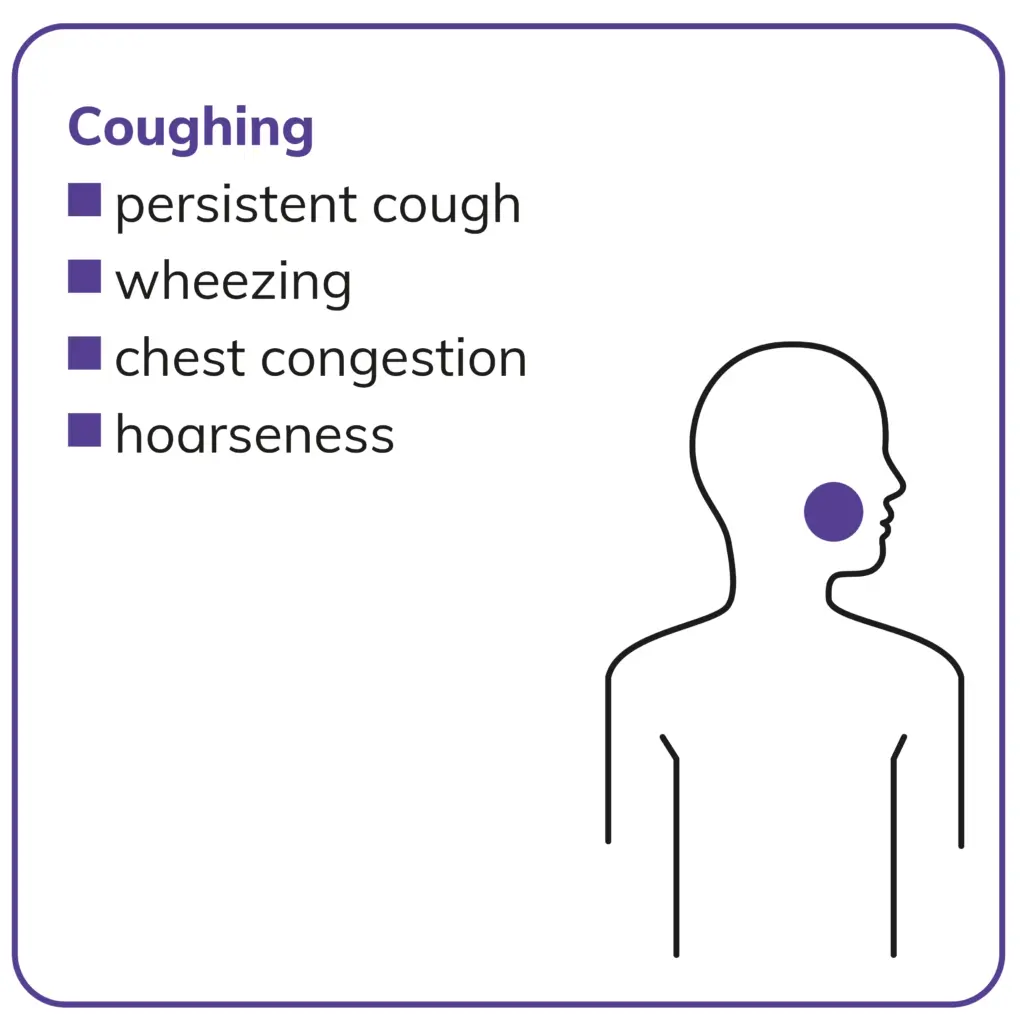
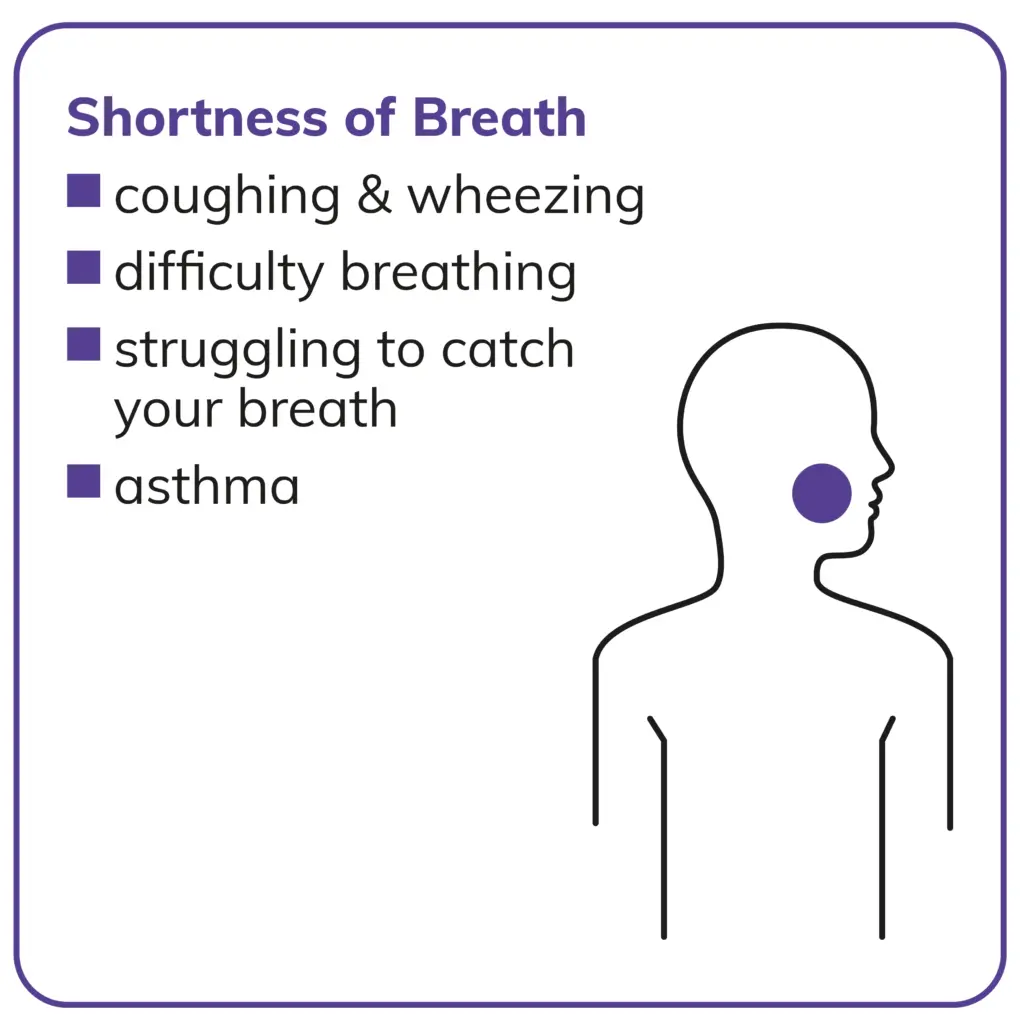
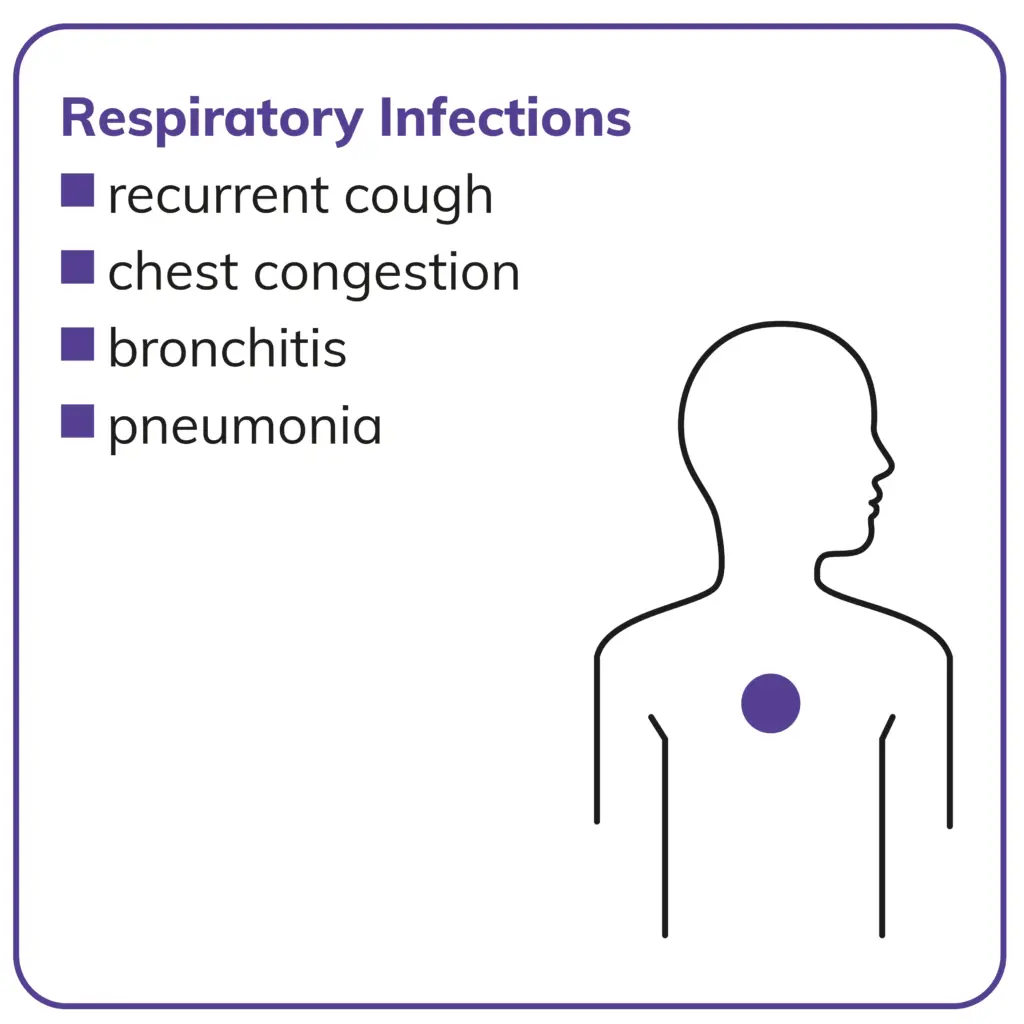
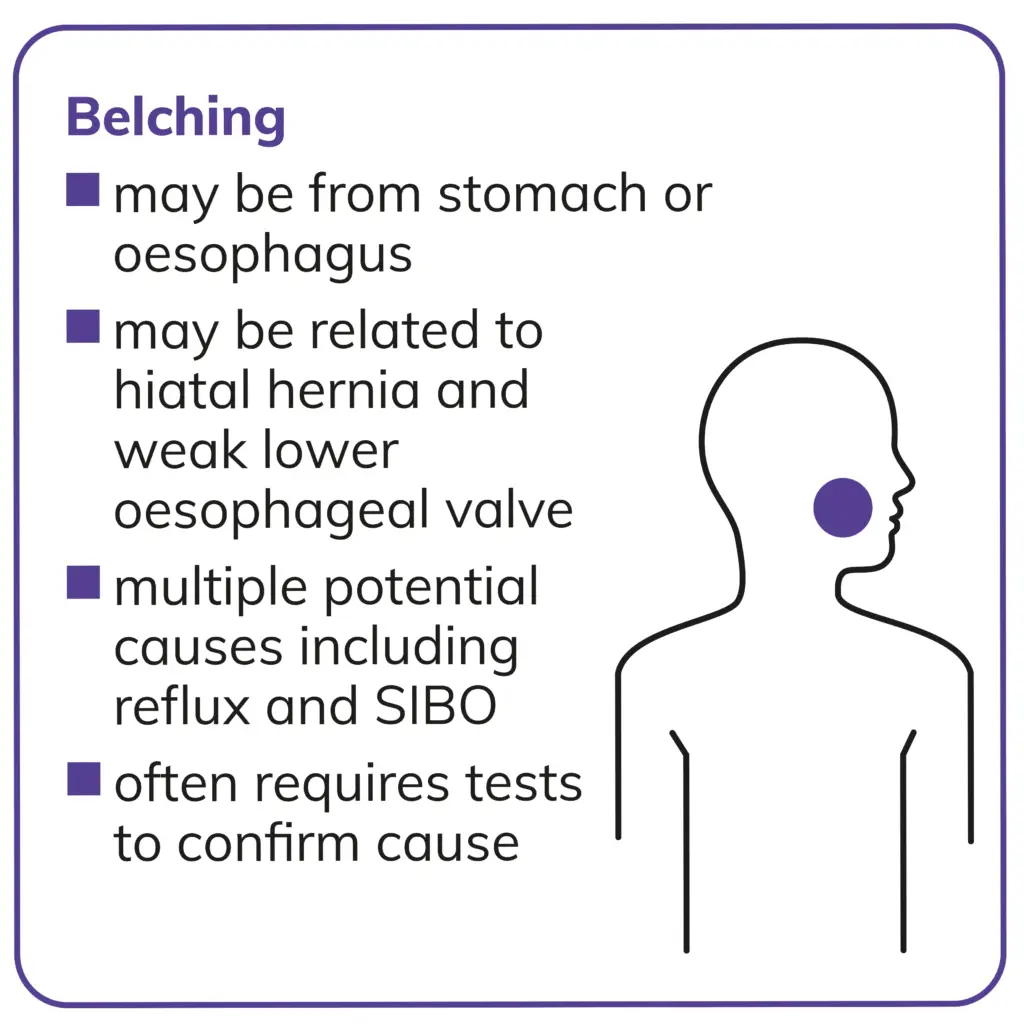
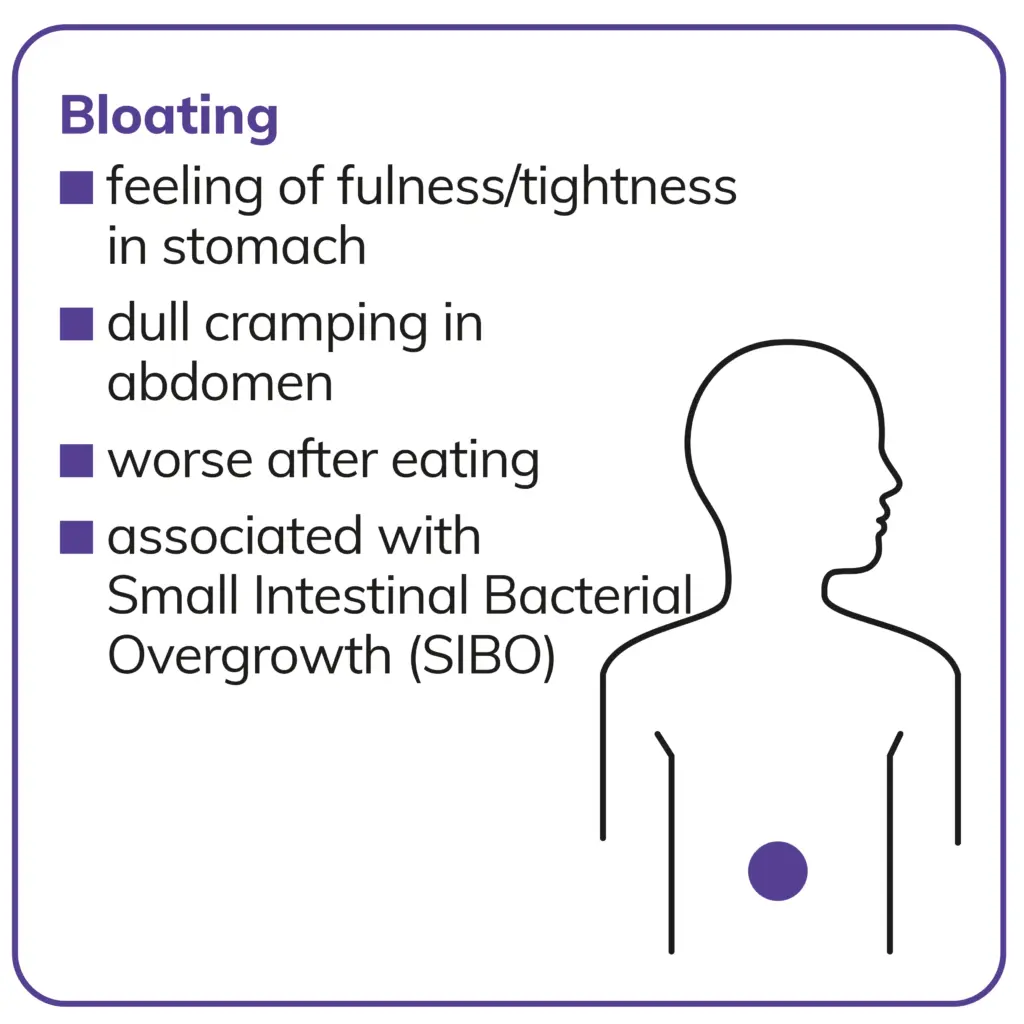
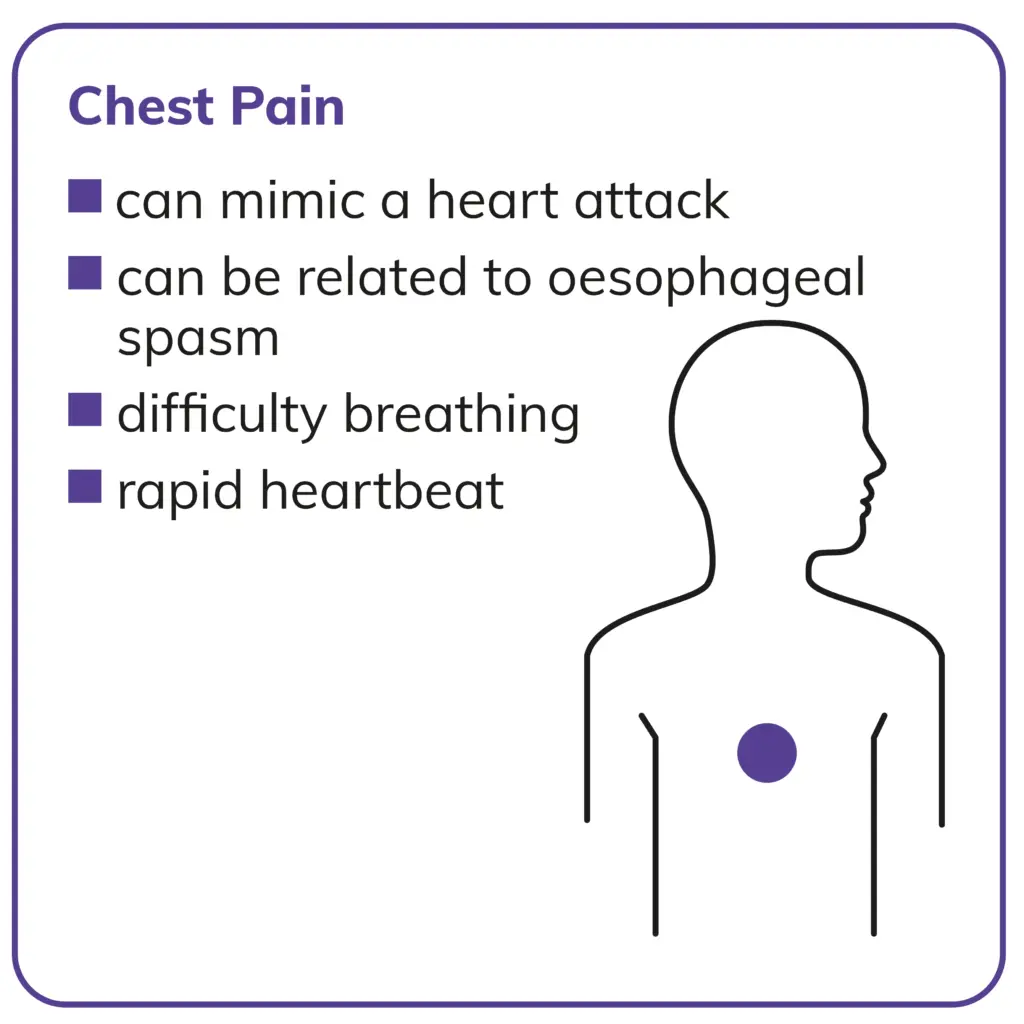
How is Reflux Disease Diagnosed?
There are several tests that your consultant may use to diagnose reflux disease.
Here are some examples.
There are several tests that your consultant may use to
Endoscopy
Endoscopy, is a test that examines the oesophagus and LOS for evidence of reflux disease.
A simple clinic test is now offering an alternative to endoscopy for Barrett’s Oesophagus* screening. Heartburn Health – an NHS-backed community programme – is looking for volunteers to take part in the Best4 Cytosponge test.
* Barrett’s oesophagus is a condition in which the normal lining of the lower oesophagus changes, often due to chronic acid reflux. This change increases the risk of developing oesophageal adenocarcinoma, but the overall risk is relatively low for most people.
Building a community of volunteers with heartburn
We’re bringing together over 120,000 people with heartburn, indigestion and acid reflux to share information about their health and take part in research to improve care. If you suffer with these symptoms. Sign up today and be part of research that could change lives.
Manometry
High Resolution Manometry assesses your oesophageal muscle strength and analyses whether there are underlying swallowing conditions, such as achalasia.
Barium Meal
This is a diagnostic test used to detect abnormalities of the Oesophagus, stomach and small bowel using X-ray imaging.
Living with Reflux Disease
Reflux disease can affect your life beyond the symptoms you feel.
Patients with Reflux Disease Often Experience:
- Poor quality of sleep
- Reduced work productivity
- Dietary compromises to avoid symptoms
- Concerns about the long-term effects of reflux disease
- Life-long dependence on reflux medications
Living with Reflux Disease affects more than just our digestion.
Lifestyle Modification
Diet Modification
- Spicy/acidic food
- Caffeine
- Chocolate
- Alcohol and tobacco
Lifestyle Modifications
- Elevation of head of bed
- No meals 2 – 3 hours before bed
- Weight loss in overweight patients
Medication
In addition to dietary and lifestyle changes, medication is commonly used to treat heartburn, the most common symptom of reflux disease.
Benefits
- Reduced stomach acid production
- Relief from heartburn symptoms
- Reduced inflammation of the oesophageal lining
Limitations/Risks
- May not provide adequate symptom relief
- Does not affect the mechanical cause of reflux disease (LOS) Does not prevent reflux disease
- Side effects include: headache, diarrhea, and upset stomach
- Up to 40% of patients continue to have symptoms while on medication
- Possible side effects of long-term use of Proton Pump Inhibitors (PPI)
including: possible fracture risk, low magnesium levels, and clostridium difficile-associated diarrhea
Is Surgery Right for You?
There are many reasons patients consider surgery as an alternative
to medical therapy.
- Are you dependent on medication to manage your reflux disease symptoms
- Do you continue to suffer reflux disease symptoms while on medication?
- Is your reflux disease affecting your quality of life? (Examples: poor sleep, inability to tolerate certain foods, inability to participate in daily activities).
- Are you concerned about the long term use of drugs to treat your reflux disease
- Are you concerned about the long term risks of serious complications from
your reflux disease?
Treatments for Heartburn/Acid Reflux
Fundoplication
Anti Reflux Surgery Linx
RefluxStop
The TIF® Procedure
How the OPA can Help
For more than four decades, OPA Cancer charity has fought against Oesophageal and Gastric Cancers, raising awareness about the dangers of persistent hearburn (indigestion), Barrett’s Oesophagus and Gastroesophageal Reflux Disease. Wherever you are on your journey – whether newly diagnosed, undergoing treatment, or years into recovery – the OPA is here for you. From navigating chemotherapy, radiotherapy, or surgery, to offering guidance and resources, we are dedicated to providing vital information and compassionate support to those affected by these cancers.
Frequently Asked Questions
Heartburn happens when stomach acid flows back into your oesophagus. Large meals, spicy foods, or lying down soon after eating can trigger it.
Acid reflux can cause a burning sensation in the chest, often after eating or at night. It’s different from a heart attack, but severe or persistent pain should always be checked.
Stomach acid coming up into your throat can leave a sour or bitter taste, especially in the morning or after meals.
Try sleeping with your head raised, avoiding late meals, and reducing trigger foods like coffee, alcohol, or spicy dishes. Your doctor may recommend medication if needed.
Occasional heartburn is common and usually not serious. Frequent or severe symptoms may damage your oesophagus or increase risk of Barrett’s oesophagus, so check with your doctor.
Common triggers include fatty foods, chocolate, caffeine, spicy foods, alcohol, and acidic foods like tomatoes or citrus. Keeping a food diary can help identify your triggers.
Over-the-counter antacids, H2 blockers, or proton pump inhibitors (PPIs) can help. Always follow your doctor’s advice for long-term use.
Yes! Losing weight, eating smaller meals, avoiding lying down after eating, quitting smoking, and limiting alcohol can all reduce symptoms.
See a doctor if heartburn is frequent, painful, or accompanied by difficulty swallowing, unexplained weight loss, vomiting, or chest pain.
Long-term untreated reflux can sometimes cause changes in the oesophagus lining (Barrett’s oesophagus), which increases cancer risk. Regular check-ups are important if you have chronic reflux.