







Gastric/Stomach Cancer
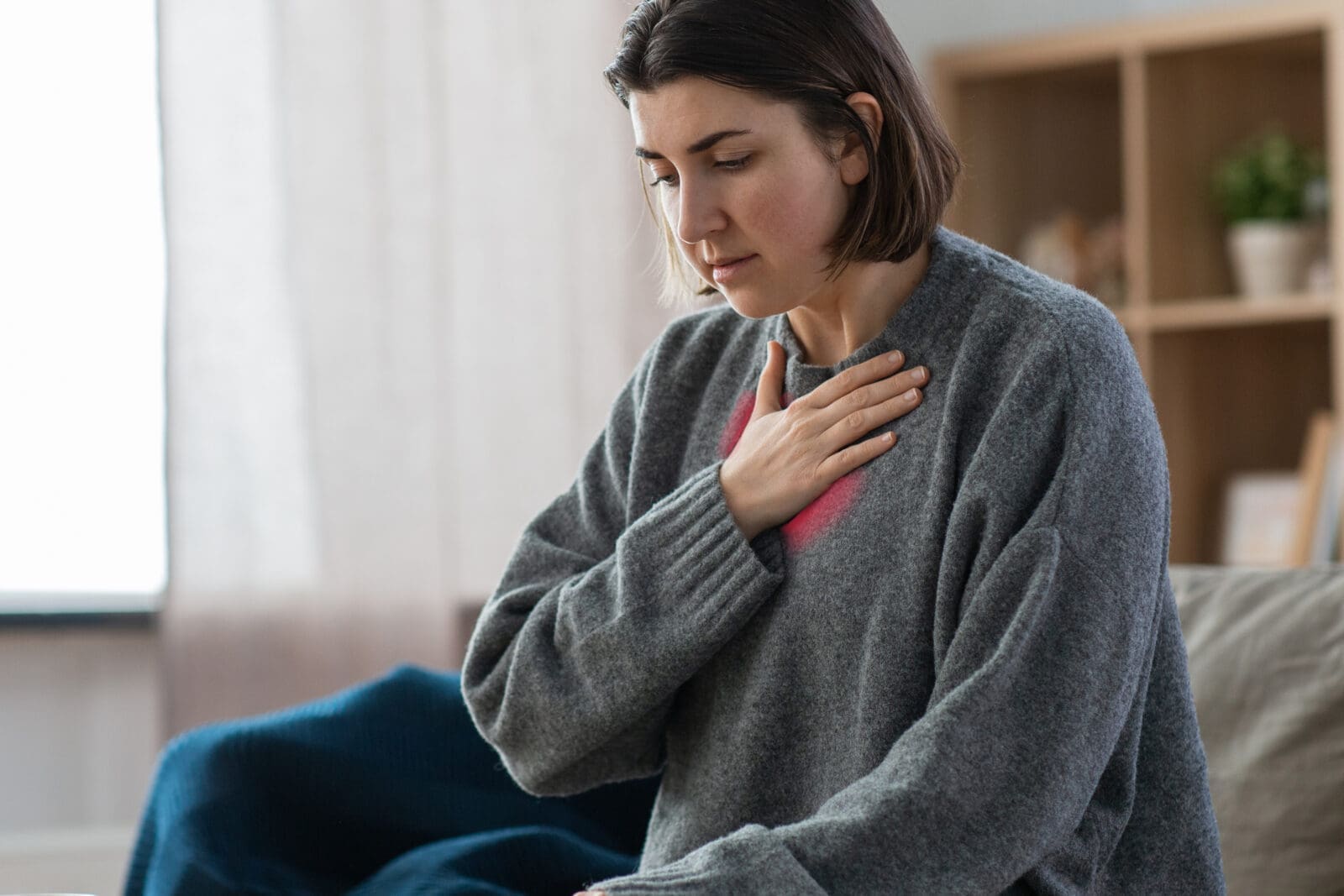
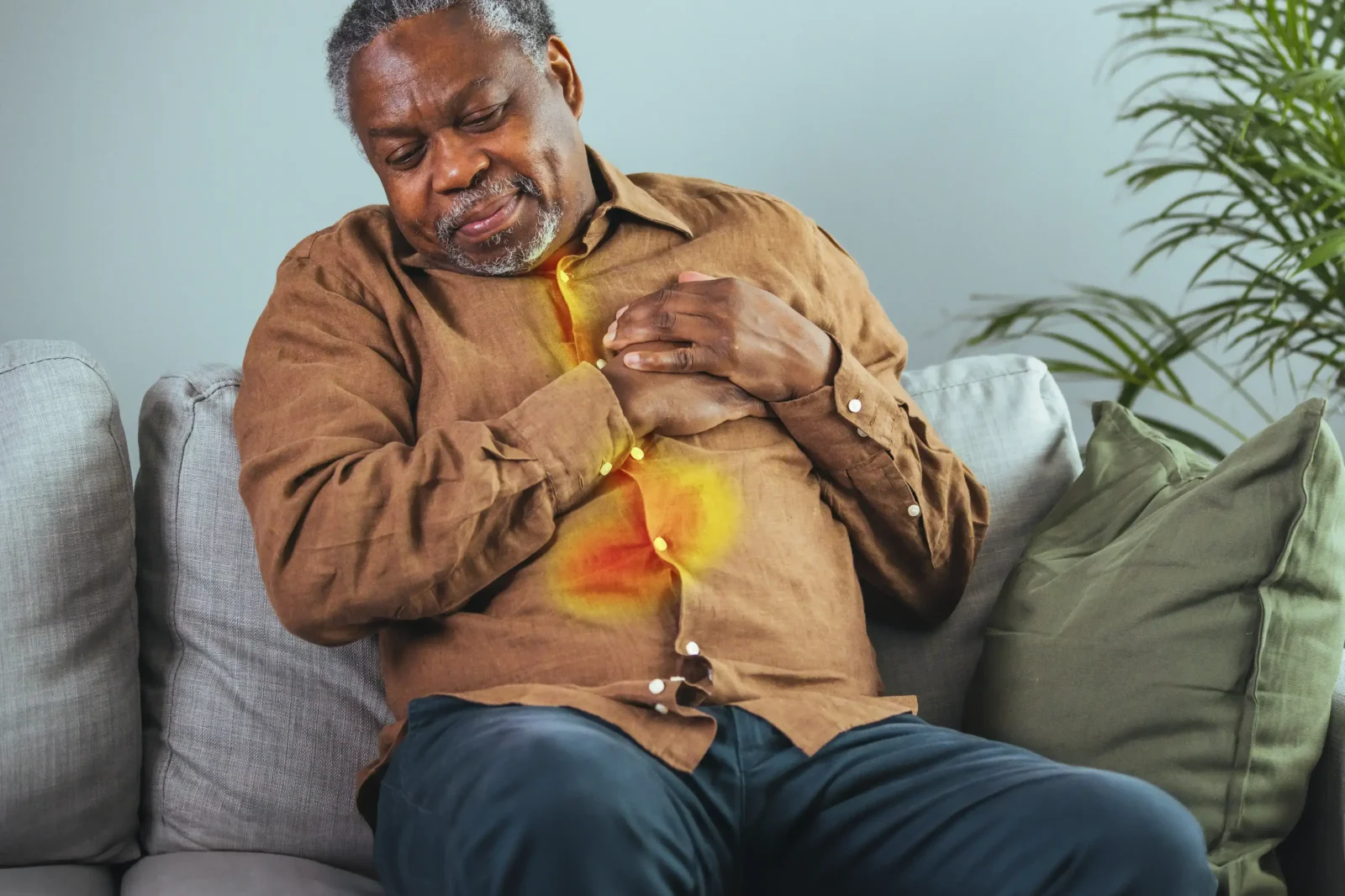
Gastric cancer, also called stomach cancer, is a disease where malignant (cancerous) cells develop in the lining of the stomach. It can cause symptoms such as heartburn (indigestion), stomach pain, nausea, loss of appetite, or unexplained weight loss, especially in advanced stages.
Jump to:
Introduction
Did you know? Gastric (stomach) cancer affects thousands of people in the UK each year. Receiving a diagnosis can feel overwhelming, and it’s natural to have many questions about what lies ahead.
Living with gastric cancer is a journey that involves not only medical treatment, but also emotional strength and everyday adjustments. We offer clear, compassionate information, helping you better understand your condition and the options available to you.
Below, you’ll find:
- What gastric cancer is and how it can affect your body.
- Common signs and symptoms, and why early detection matters. Practical lifestyle and dietary tips to support your overall well-being.
- Information about treatments, including surgery, chemotherapy,
radiotherapy, targeted therapies and immunotherapy. - Guidance on managing side effects and maintaining quality of life during and after treatment.
- Support resources for you and your loved ones, so you never feel alone in your journey.
Our goal is to give you knowledge and reassurance, so you can feel more confident when talking with your healthcare team and making decisions about your care.
Please remember: the information below is for guidance only and is not a substitute for professional medical advice. Always consult your healthcare team for advice tailored to your personal situation.
Watch this video – Gastric cancer | Causes, symptoms, diagnosis, and treatment options
What is gastric (stomach) cancer?
- Gastric cancer is cancer that’s found anywhere in the stomach.
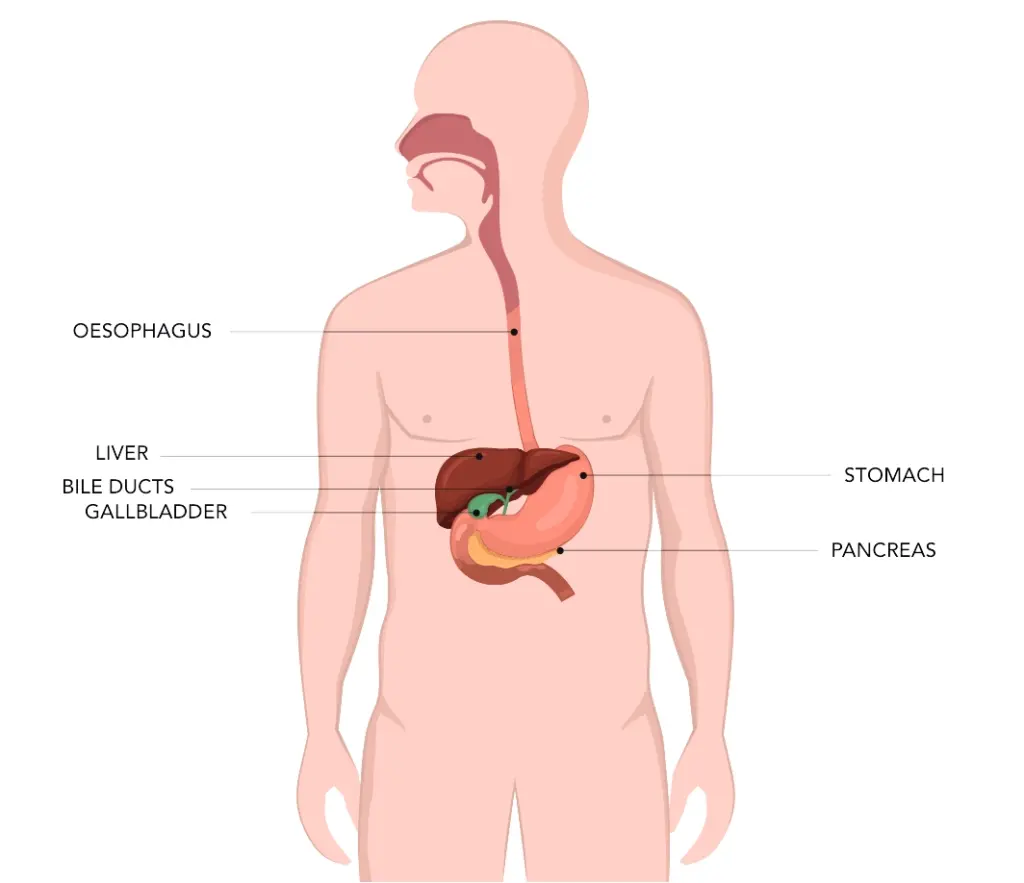
- The stomach is part of the digestive system. It helps you digest food.
- How serious gastric cancer is depends on how big the cancer is, if it has spread, and your general health.
- Gastric cancer is not very common in the UK.
Who is more likely to get gastric cancer
Anyone can get gastric cancer. It’s not always clear what causes it. You might be more likely to get it if you:
- are over the age of 50
- are a man
- have a long-term infection with Helicobacter pylori (H. pylori) – read more about the link between H. pylori and gastric cancer on the Cancer Research UK website www.cancerresearchuk.org/about-cancer/causes-of-cancer/infections-eg-hpv-and-cancer/does-hpylori-cause-cancer
- have certain gastric conditions, such as long-term, severe acid reflux, gastritis or a condition called pernicious anaemia, which affects your immune system
- have a brother, sister or parent who had gastric cancer
If gastric cancer is found early, you may be able to have surgery to remove it.
Symptoms
Accurately identifying the cause of your symptoms is the most important first step towards effective care and treatment.
- Risk factors can include diet, obesity, smoking, certain medical conditions, long-term infection with Helicobacter pylori (H. pylori), and family history.
- Men are generally at a higher risk of developing gastric cancer, but it can
affect anyone. - The likelihood of developing gastric cancer increases with age.
- The most common early symptoms of gastric cancer can be vague and easy to overlook, such as persistent indigestion or discomfort in the stomach area.
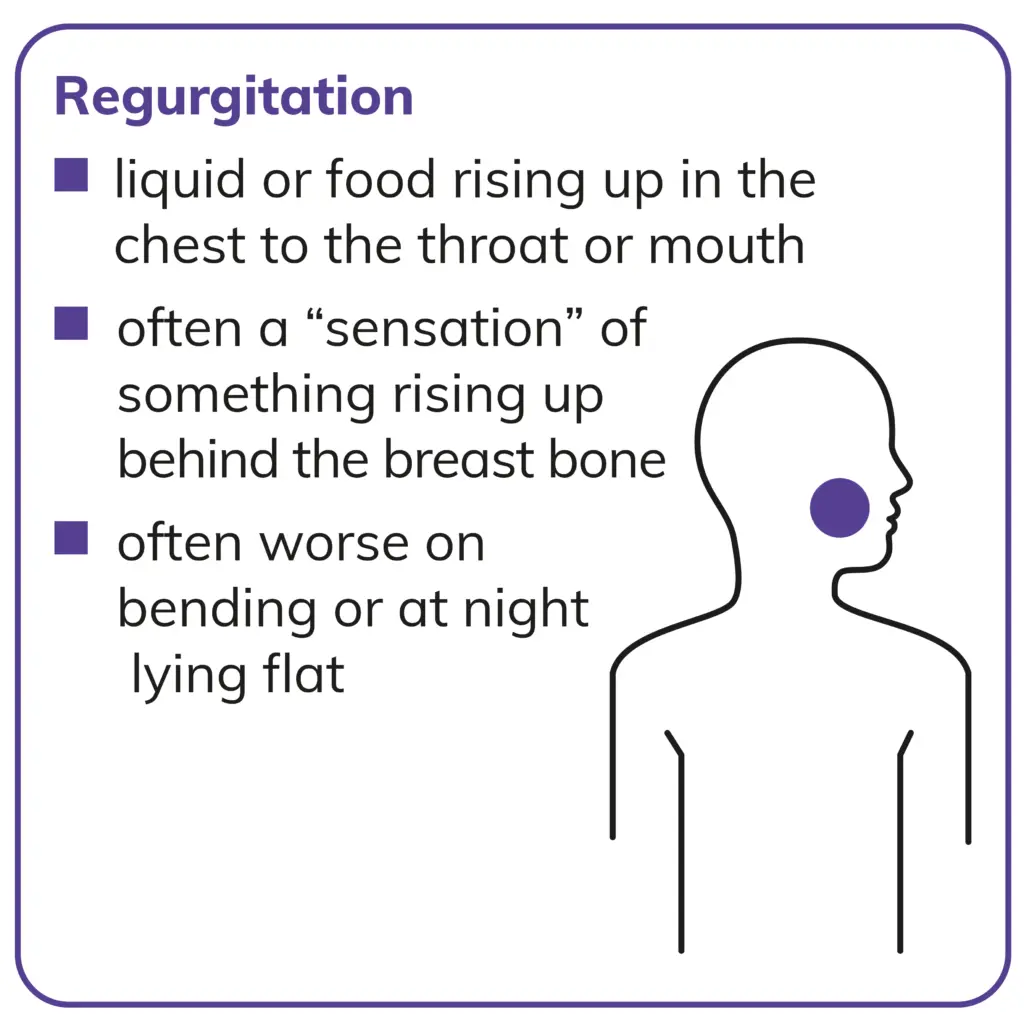
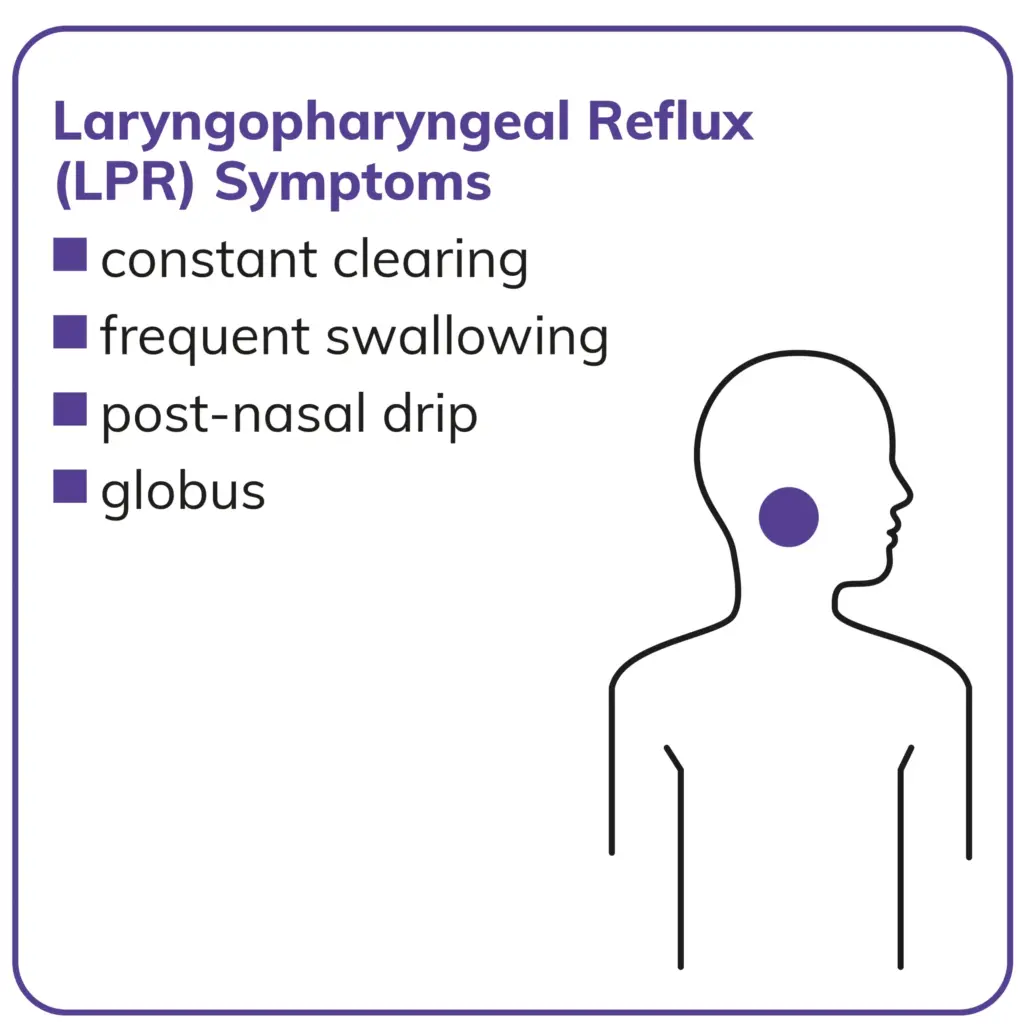
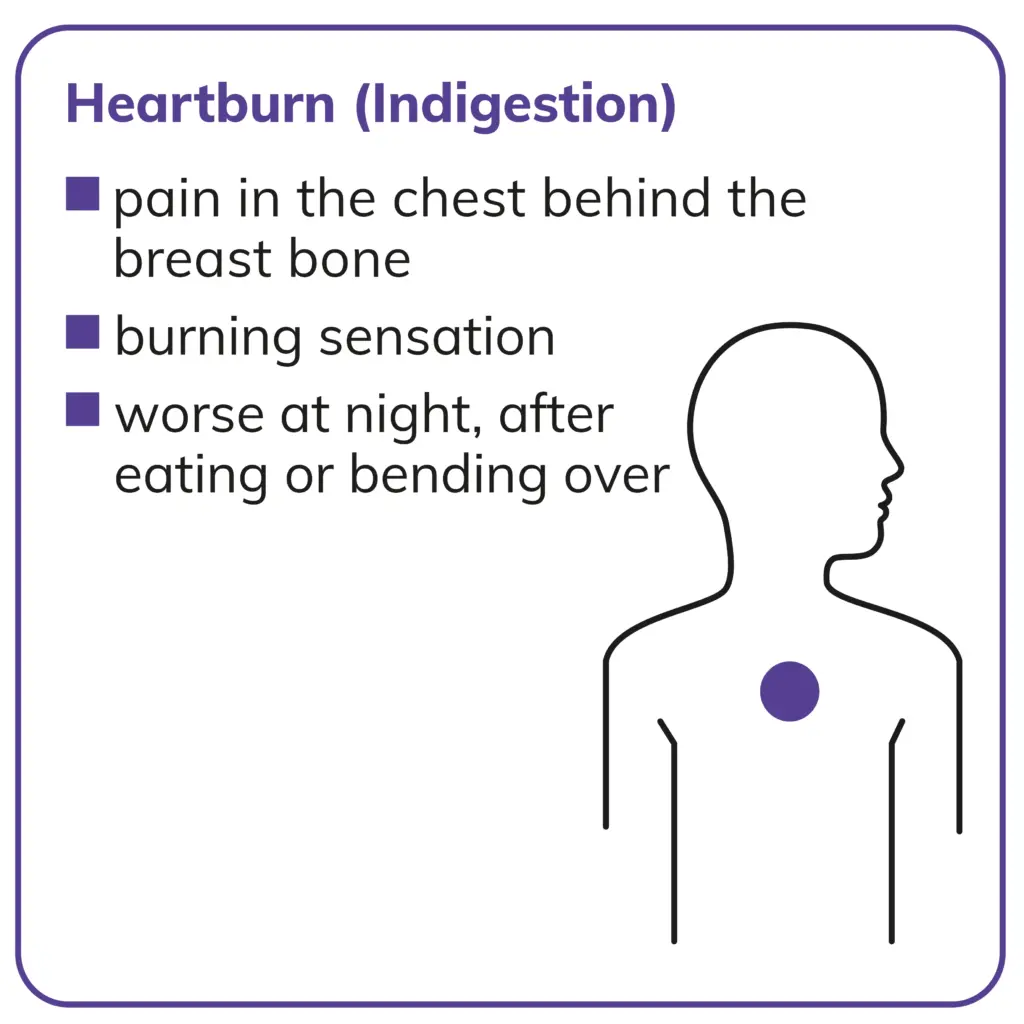
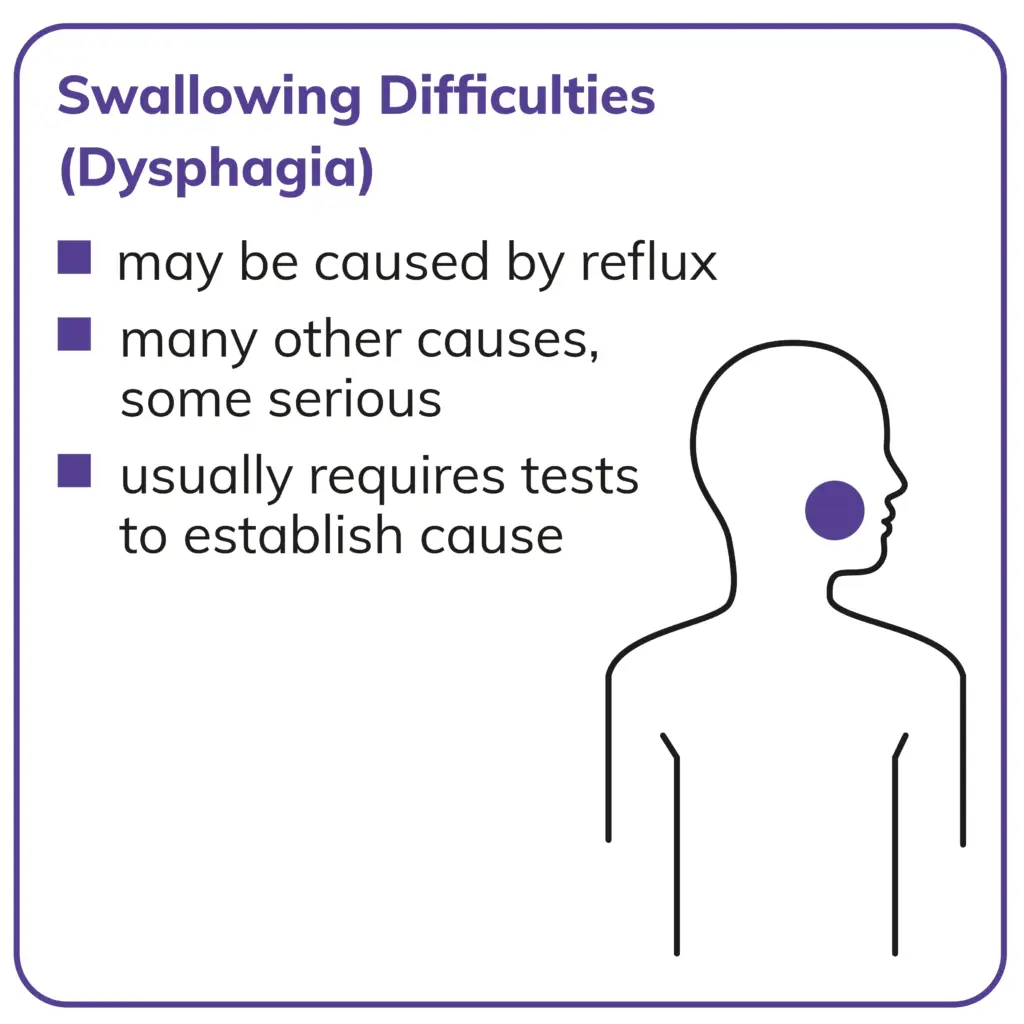
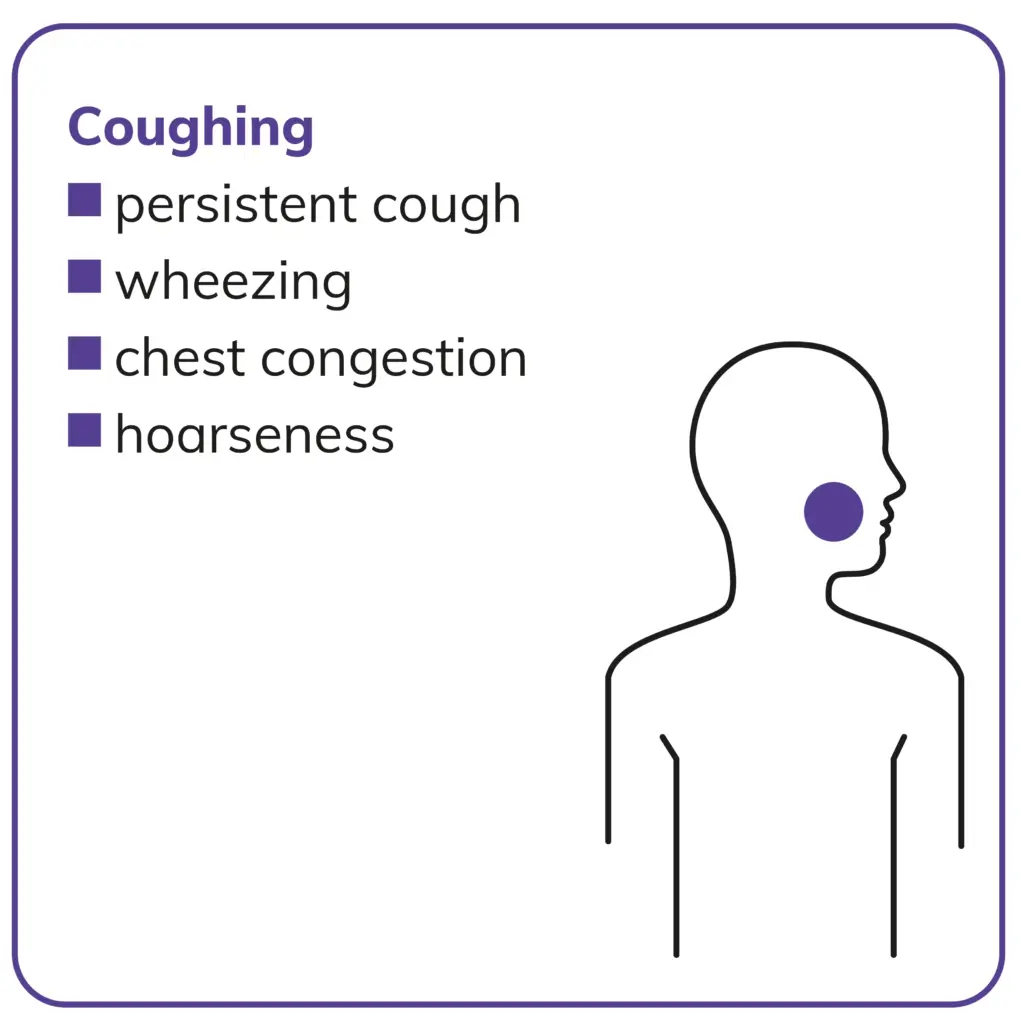
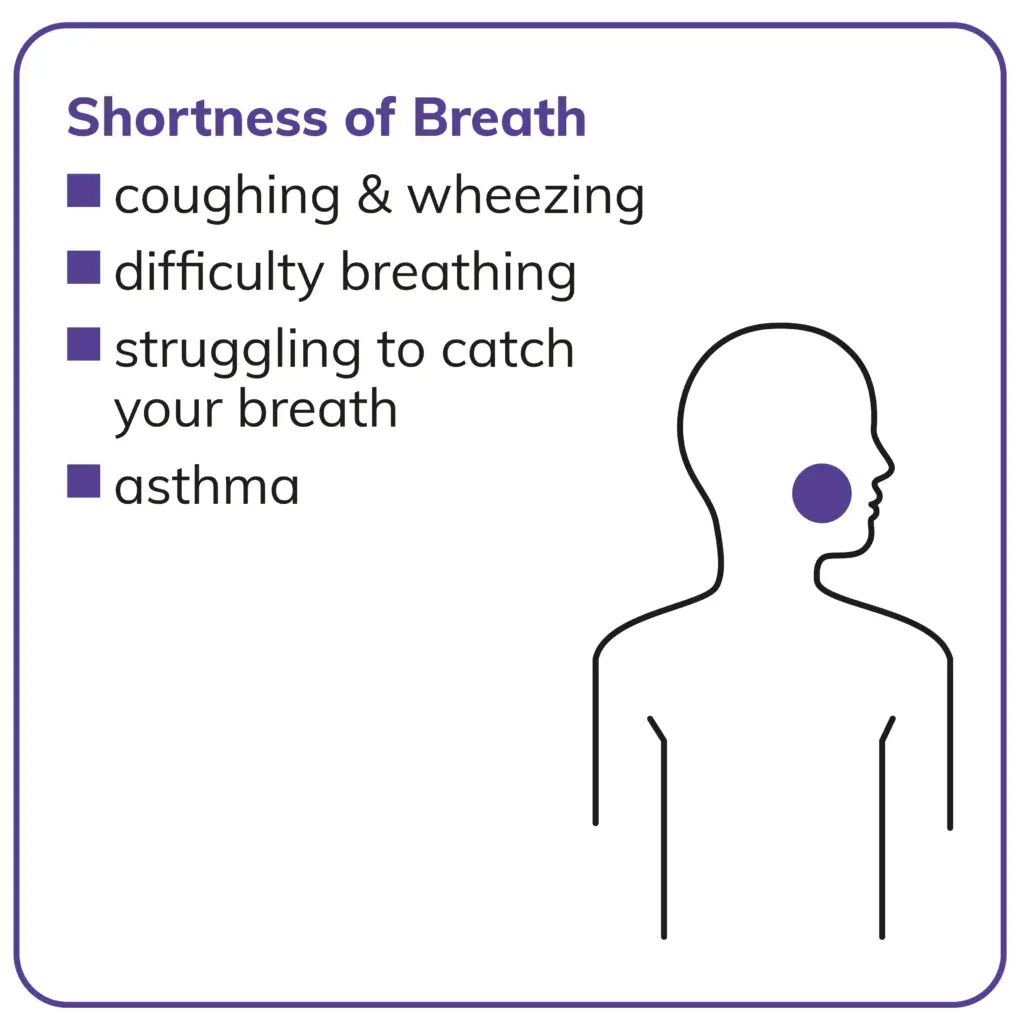
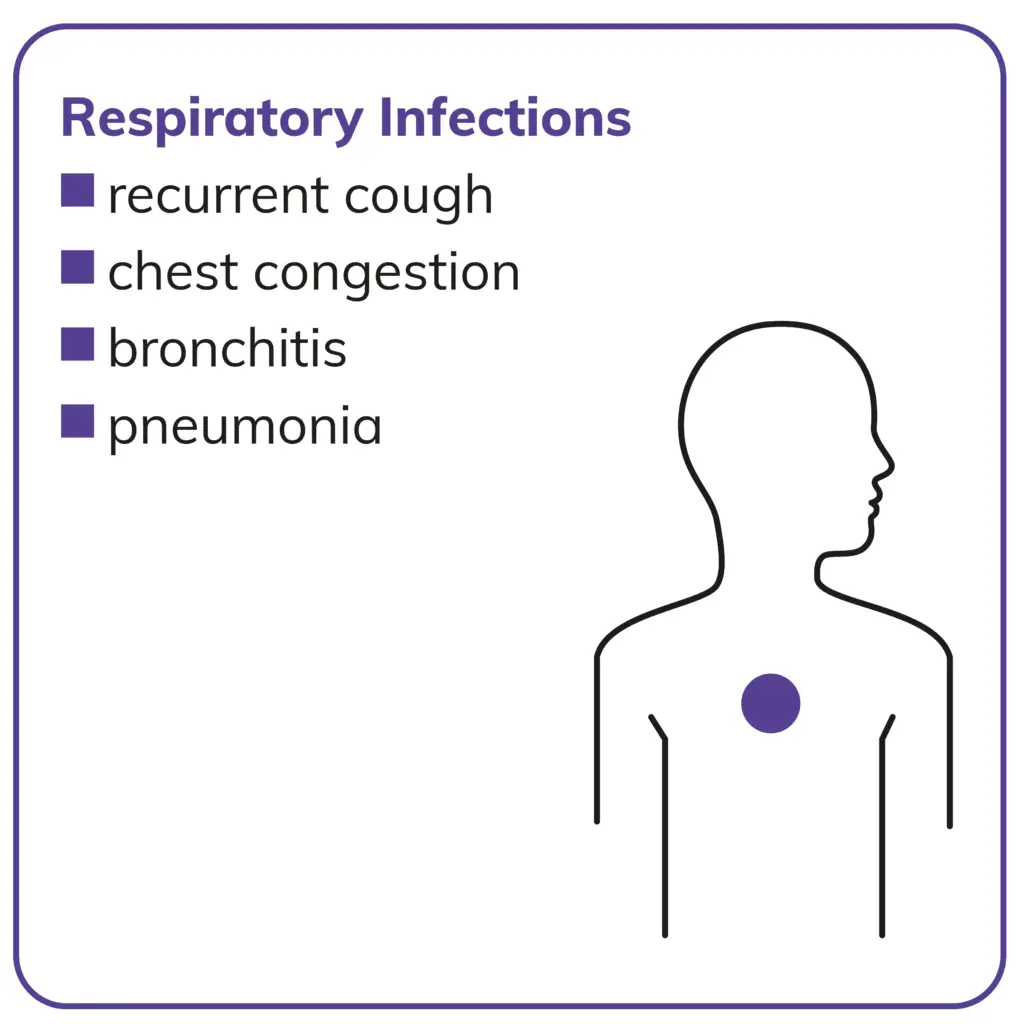
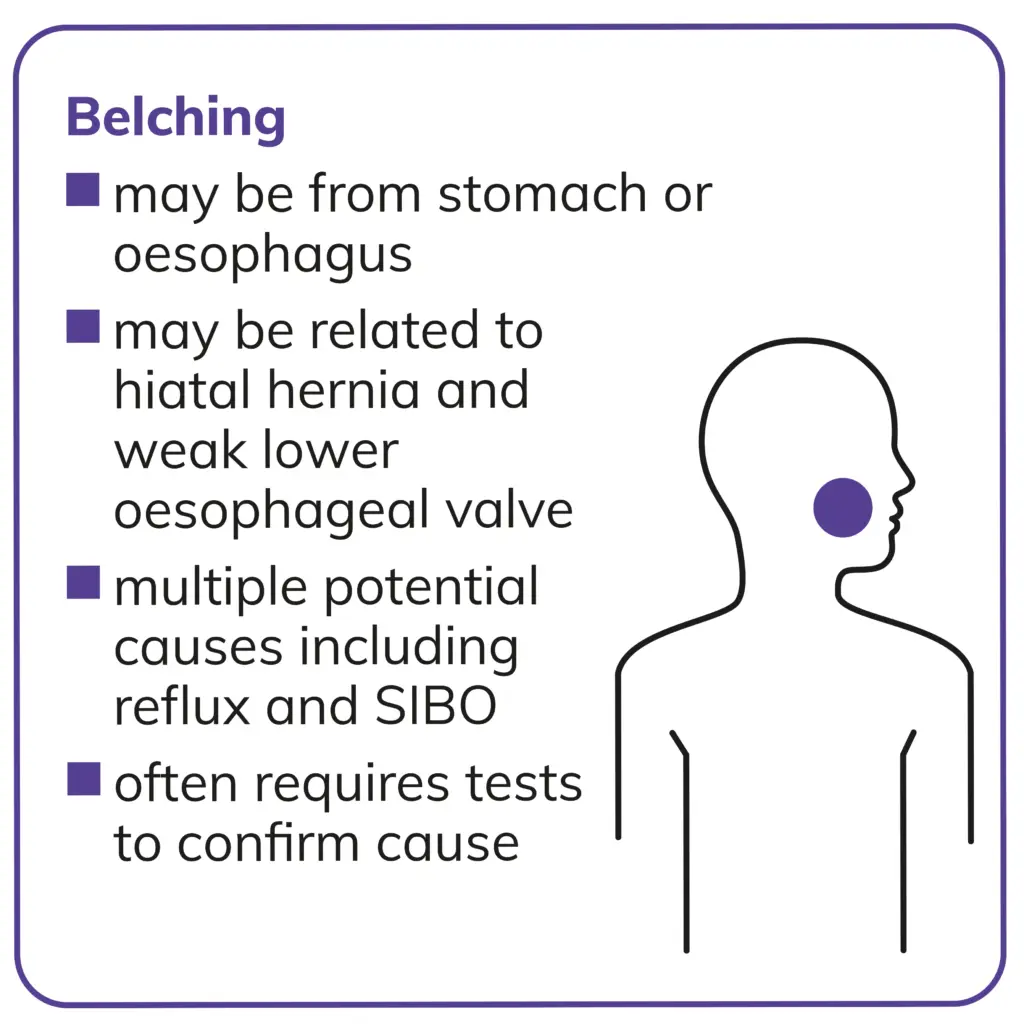
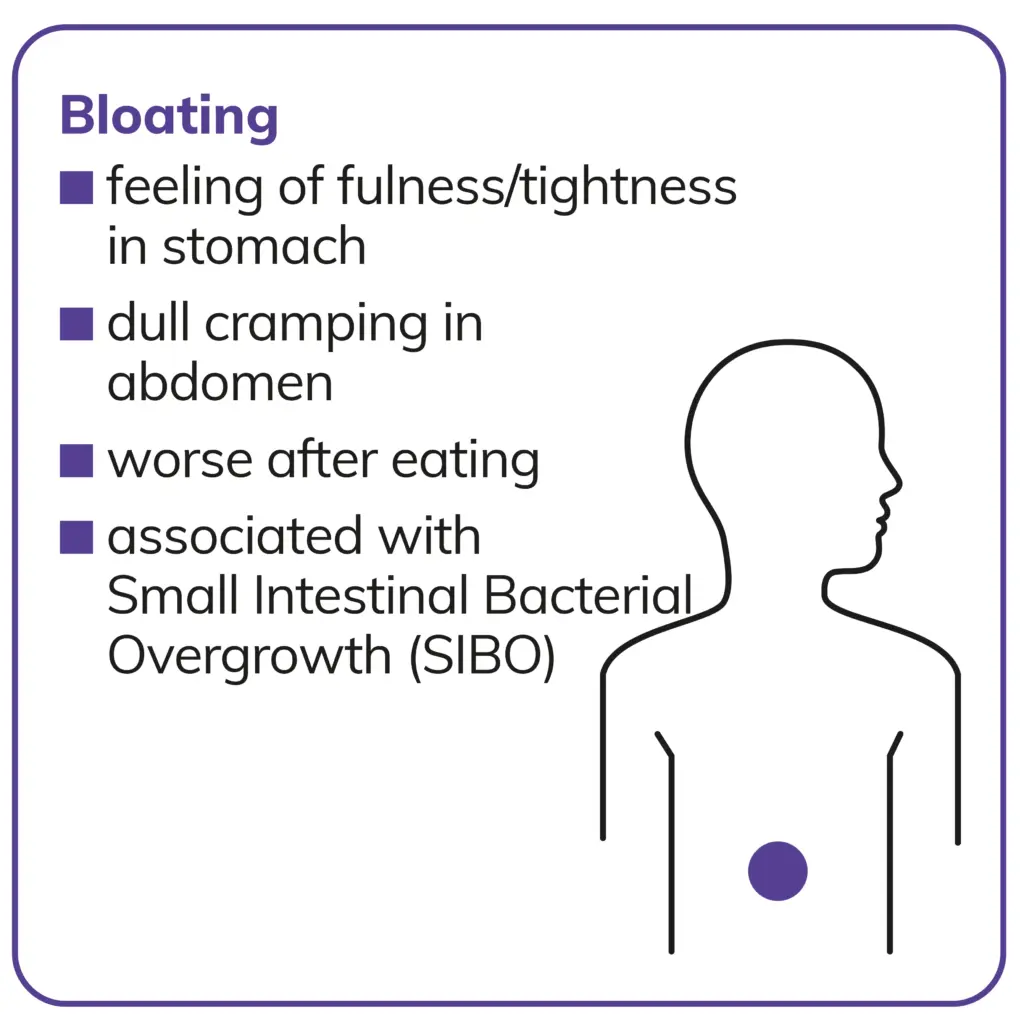
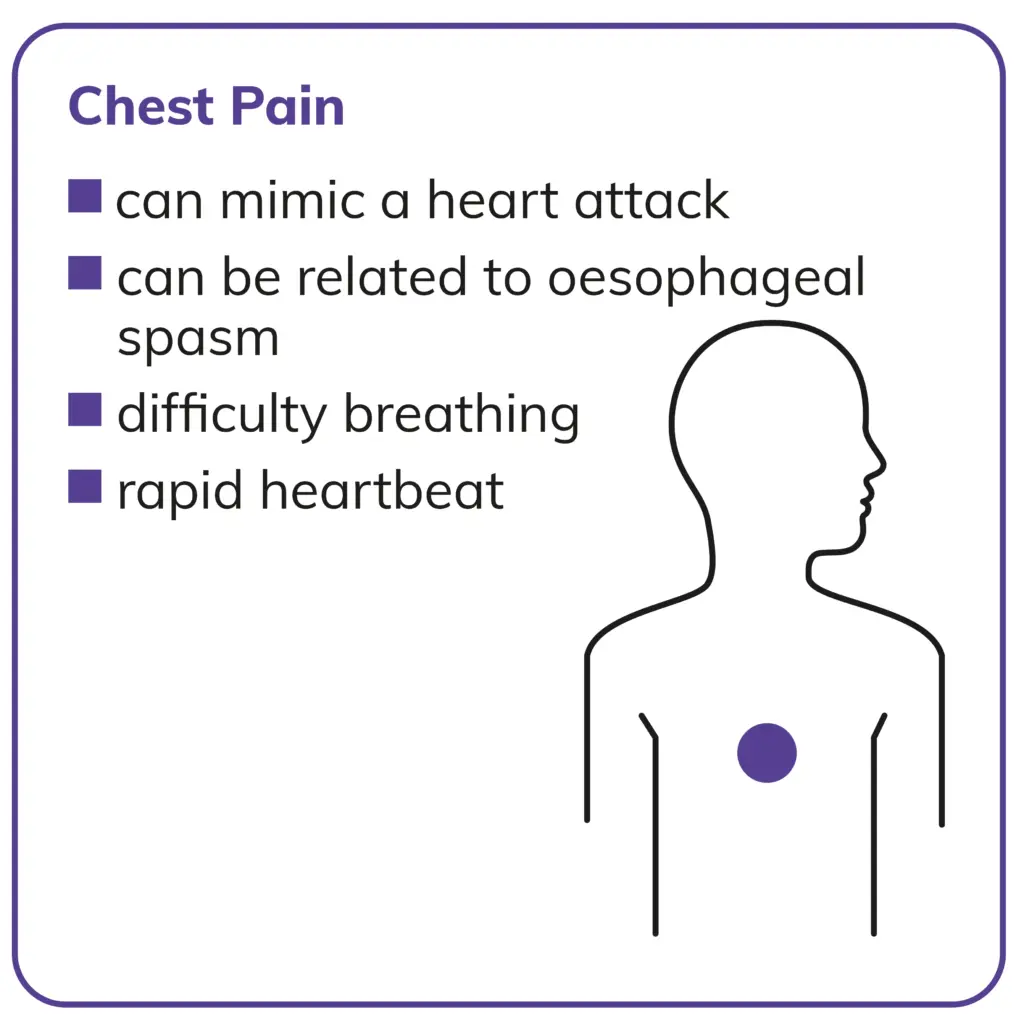
If you have another condition, such as gastro-oesophageal reflux disease, you may get symptoms like these regularly. You might find you get used to them. But it’s important to be checked by a GP if your symptoms change, get worse, or do not feel normal for you.
How to reduce your risk
of getting gastric cancer
Do:
- try to quit smoking
- try to lose weight if you are overweight
- wear protective clothes and masks if you work in a job where you’re exposed to harmful chemicals, such as in the rubber industry or coal mining
- cut down on how much salt you eat
- try to cut down on alcohol and avoid drinking more than 14 units a week
- try to eat at least 5 portions of a variety of fruit and vegetables every day
Get Checked!
See a GP if you have:
- problems swallowing
- a lump in your tummy
- lost a noticeable amount of weight
- other symptoms of stomach cancer that get worse or do not get better
after 3 weeks - a condition that causes symptoms with your digestion that are not getting better after 3 weeks of using your usual treatments
Get advice from 111 now if:
- you’re being sick for more than 2 days
- you have symptoms that you’re worried about, but are not sure where to get help
- 111 will tell you what to do. They can arrange a phone call from a nurse or doctor if you need one.
- Go to 111.nhs.uk or call 111.
What happens at the GP appointment
- The GP may feel your tummy.
- They may ask you to give a poo or pee sample, or have a blood test.
Referral to a specialist
You may get an urgent referral for more tests or to see a specialist in hospital if the GP thinks you have symptoms that could be cancer. This does not definitely
mean you have cancer.
Important
These symptoms are very common and can be caused by many different conditions. Having them does not definitely mean you have stomach cancer. But it’s important to get them checked by a GP. This is because if they’re caused by cancer, finding it early makes it more treatable.
Tests and Next Steps
A GP or specialist will probably refer you for a test to look inside your stomach.
This test is called a gastroscopy (a type of endoscopy). It looks for any problems in your stomach, including gastric cancer.
During a gastroscopy:
A long, thin, flexible tube with a small camera inside (called an endoscope) will be put into your mouth, down your throat and into
your stomach.A specialist will use the camera in the endoscope to look for any problems.
A small sample of cells (called a biopsy) may be collected during the procedure. These cells will be sent to a laboratory to check for cancer.
The test should take around 10 to 15 minutes.
It should not be painful, but you might find it uncomfortable.
You may be offered things to make you more comfortable and make the test easier, such as:
- local anaesthetic spray to numb the back of your throat
- sedation – medicine given through a small tube in your arm to help you relax
A gastroscopy can also help find problems in other nearby organs. Such as the food pipe (oesophageal cancer) and the first part of the bowels (small intestine).
If you’re told you have gastric cancer
Being told you have gastric cancer can feel overwhelming. You may be feeling anxious about what will happen next.
It can help to bring someone with you to any appointments you have.
A group of specialists will look after you throughout your diagnosis, treatment and recovery.
Your team will include a clinical nurse specialist who will be your main point of contact during and after treatment.
You can ask them any questions you have.
Next steps
Once you have been diagnosed with gastric cancer, you will need more tests. These will help the specialists find out the size of the cancer and how far it’s spread (called the stage).
Find out more about what cancer stages and grades mean.
www.cancerresearchuk.org/about-cancer/what-is-cancer/stages-of-cancer
You may need:
- scans, like an ultrasound scan (sometimes from inside your body using an endoscope), a CT scan or a PET scan
- a small operation to look inside your stomach, called a laparoscopy
You may not have all these tests.
The specialists will use the results of these tests and work with you to decide on the best treatment plan for you.
You may be feeling anxious about what will happen next.
Treatments
Treatment for gastric cancer
Treatment for gastric cancer will depend on:
- the type and size of the gastric cancer you have
- where it is
- if it has spread
- your general health
It usually includes surgery and chemotherapy. It may also include radiotherapy, and treatment with targeted medicines.
The specialist care team looking after you will:
- explain the treatments, benefits and side effects
- work with you to create a treatment plan that is best for you
- help you manage any side effects, including changes to your diet
- help and support you during your recovery
You’ll have regular check-ups during and after any treatments. You may also have tests and scans.
If you have any symptoms or side effects that you are worried about, talk to your specialists. You do not need to wait for your next check-up.
Surgery
Your treatment will depend on if the cancer can be removed or not.
If the cancer cannot be removed, you may have surgery to help control some symptoms of gastric cancer.
Surgery to remove gastric cancer
If gastric cancer is found early, has not spread or has not spread far you may be able to have surgery to remove it.
Surgery will remove part or all of the stomach. They may also need to remove parts of other organs around the stomach.
Recovery from surgery to treat gastric cancer can take a long time.
The specialist team looking after you will discuss all the benefits and
side effects.
Surgery to help control the symptoms of stomach cancer
You may need surgery to relieve a blockage in the stomach. This helps food pass through your stomach more easily.
The aim of this surgery is to help improve your symptoms, not to cure the cancer.
Chemotherapy
Chemotherapy uses medicines to kill cancer cells.
You may have chemotherapy for gastric cancer:
- before and after surgery to help make the cancer smaller
- after surgery to help stop the cancer coming back
- at the same time as other treatments to help make them more effective
- to help control and improve the symptoms of advanced cancer or if the cancer cannot be removed by surgery – sometimes given alongside treatment with targeted medicines
Radiotherapy
Radiotherapy uses high-energy rays of radiation to kill cancer cells.
You may have radiotherapy for gastric cancer:
- with chemotherapy (chemoradiotherapy) to help stop the cancer
coming back - to help control and improve the symptoms for advanced cancer
Targeted medicines and immunotherapy
Targeted cancer medicines aim to stop the cancer from growing.
Immunotherapy is where medicines are used to help your immune system kill cancer.
You may have them with chemotherapy to treat advanced gastric cancer.
Palliative Care
What happens if you’ve been told your cancer cannot be cured
If you have advanced gastric cancer, it might be very hard to treat. It may not be possible to cure the cancer.
If this is the case, the aim of your treatment will be to limit the cancer and its symptoms, and help you live longer.
Finding out the cancer cannot be cured can be very hard news to take in.
You will be referred to a special team of doctors and nurses called the palliative care team or symptom control team.
They will work with you to help manage your symptoms and make you feel more comfortable.
The clinical nurse specialist or palliative care team can also help you and your loved ones get any support you need.
How the OPA can help
For more than four decades, OPA Cancer charity has fought against Oesophageal and Gastric Cancers, raising awareness about the dangers of persistent hearburn (indigestion), Barrett’s Oesophagus and Gastroesophageal Reflux Disease. Wherever you are on your journey – whether newly diagnosed, undergoing treatment, or years into recovery – the OPA is here for you. From navigating chemotherapy, radiotherapy, or surgery, to offering guidance and resources, we are dedicated to providing vital information and compassionate support to those affected by these cancers.
Frequently Asked Questions
Gastric cancer can make your stomach feel full quickly. Treatment, surgery, or dietary changes may also affect digestion.
A dietitian can help you manage this.
Unexplained weight loss can be a symptom of gastric cancer or a side effect of treatment. Your healthcare team can check your nutrition and suggest ways to maintain weight.
Survival varies depending on the stage, type, and treatment. Your doctor can give the most accurate information for your situation.
Recovery can take several weeks to months. Most people spend 1–2 weeks in hospital and gradually return to normal activities at home.
Eating may feel different. Small, frequent meals and dietary adjustments are often needed, especially after surgery. A dietitian can guide you.
Physical activity is possible, but timing and intensity depend on your treatment and recovery. Your doctor or physiotherapist can advise when it’s safe.
Surgery, chemotherapy, and radiotherapy may cause fatigue, nausea, vomiting, or changes in appetite. Your care team can help manage these.
Some changes may be temporary, while others may be long-term. Digestive enzymes, dietary adjustments, and follow-up care can help.
Emotional impact is common. Support is available through counselling, support groups, or talking with your healthcare team.
Home support may include help with meals, mobility, or personal care. Hospitals, cancer charities, community services and DWP can guide you.
PIF Tick
OPA Cancer Charity is proud to hold the PIF TICK, the UK-wide independent quality mark for trustworthy health and wellbeing information.