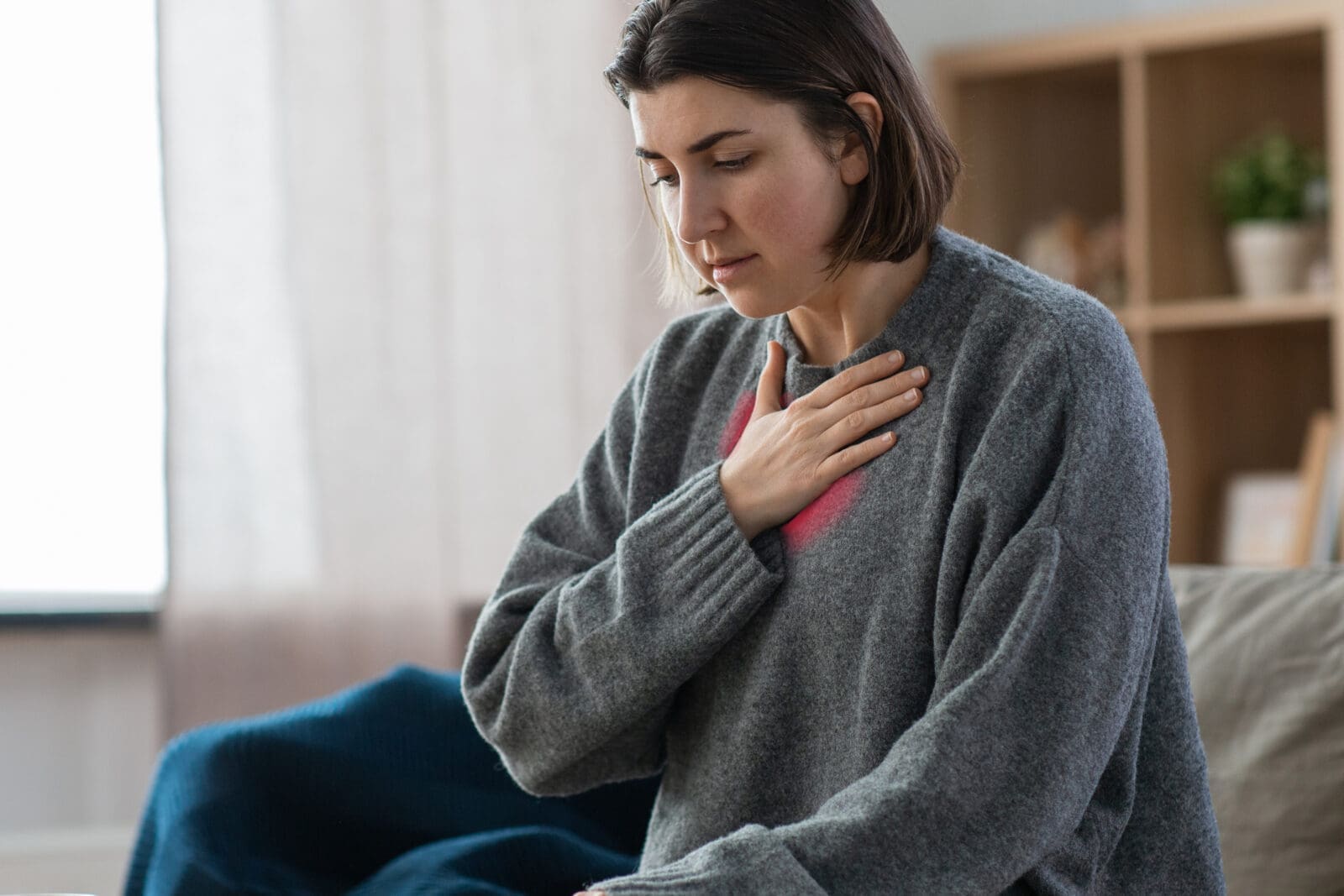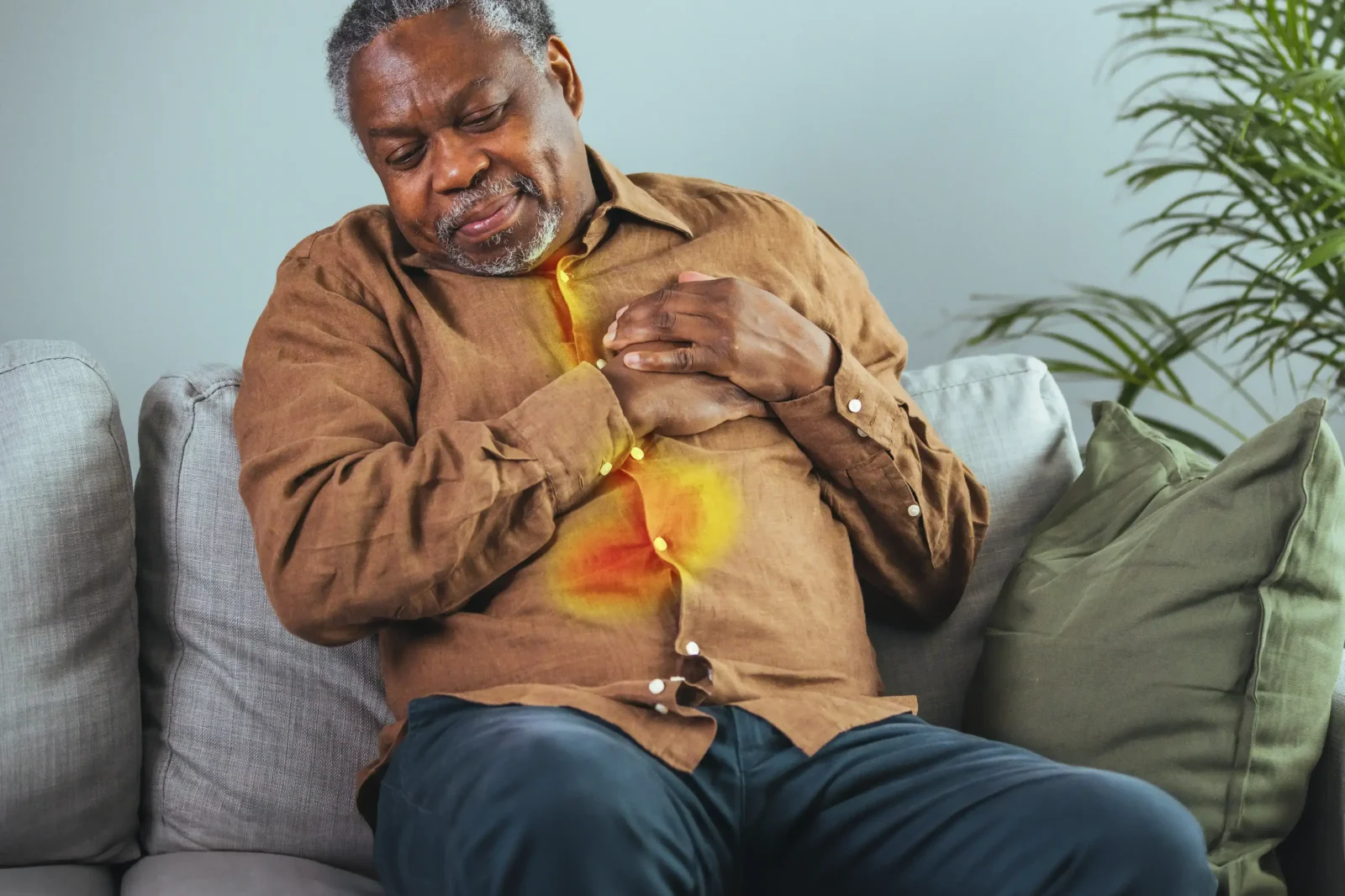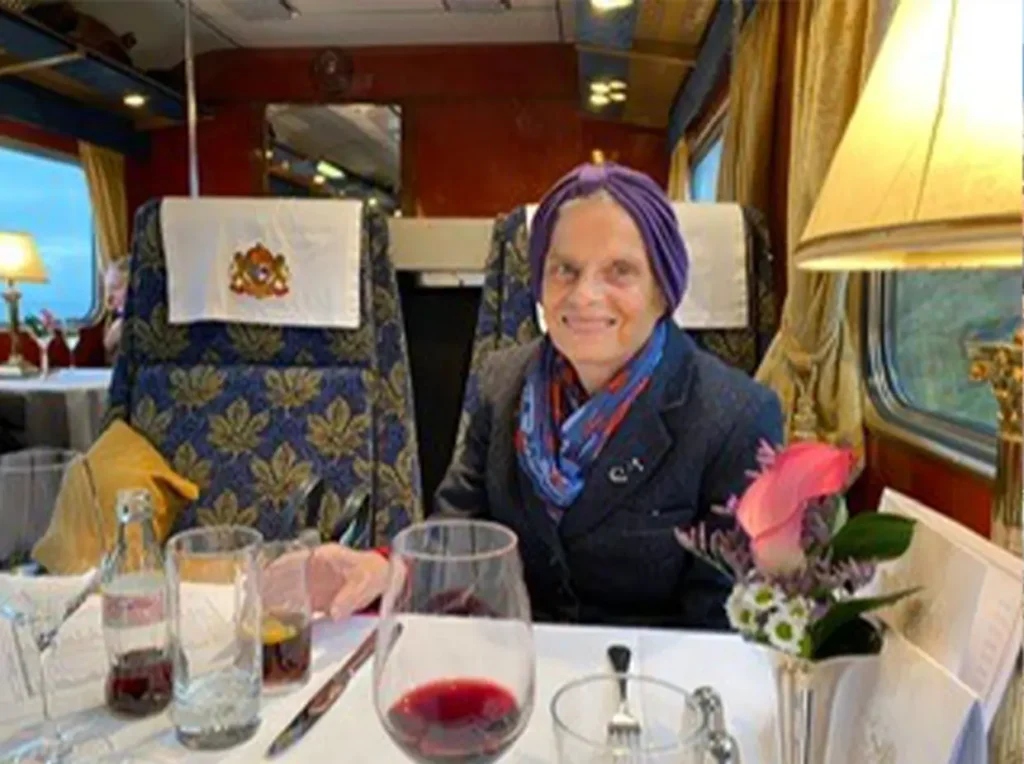
My name is Anna, and I’ve always been an active, vibrant woman who loved cooking, hiking, and spending time with my family. But one day, I started noticing subtle symptoms—difficulty swallowing, occasional heartburn, and a feeling of something being stuck in my chest. At first, I brushed it off as just indigestion, but as time went on, the symptoms only worsened. Eventually, I decided to see my doctor. After several tests, I received the life-changing news: I had oesophageal cancer.

The Shock of Diagnosis

The news was a complete shock. I never imagined that something as simple as heartburn could lead to such a serious diagnosis. I was overwhelmed with fear and uncertainty about what was to come. I remember feeling paralysed by the unknown, but my family, especially my husband Mark, was right by my side. My doctor explained that my cancer was caught early, which was a good sign, but I knew there was still a long road ahead.

My Treatment

My treatment included surgery to remove part of my oesophagus, followed by chemotherapy and radiotherapy to make sure the cancer was completely gone. The surgery came first, and I won’t lie—I was terrified. I knew it was necessary, but the thought of it was daunting.

The recovery after the surgery was tough. The first few weeks were some of the hardest of my life. I struggled with swallowing, and I felt weak and exhausted. But I had an incredible team of healthcare professionals supporting me—doctors, nutritionists, physiotherapists. Slowly, I began to heal, and though it was hard, I knew it was a step in the right direction.

The Road to Recovery

After several months of treatment, I received the news I had been hoping for: my scans showed that the cancer was in remission.

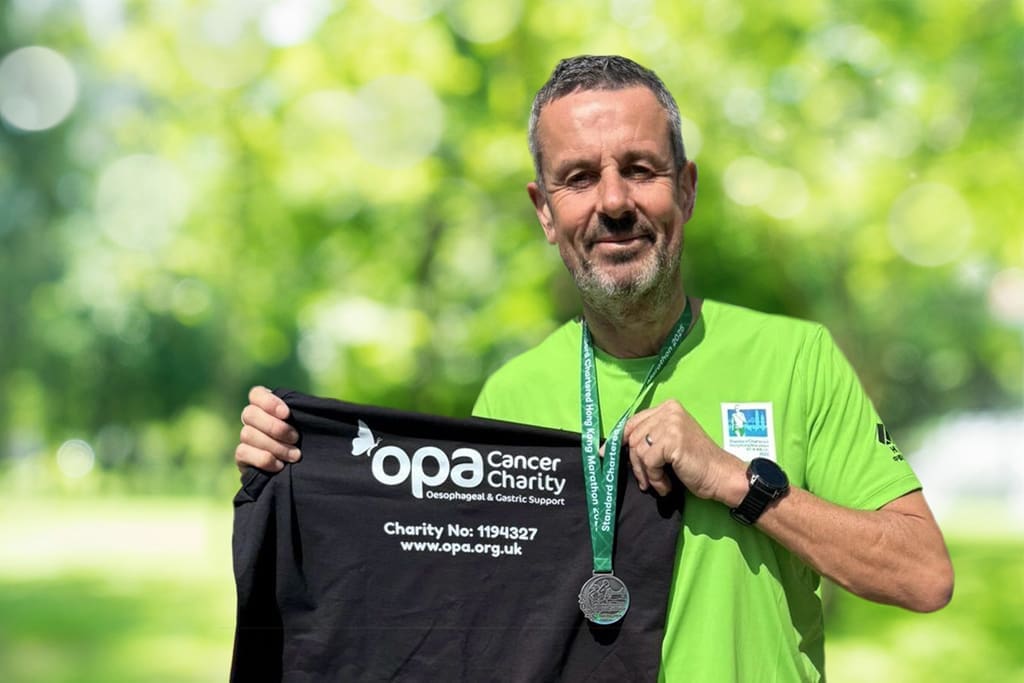
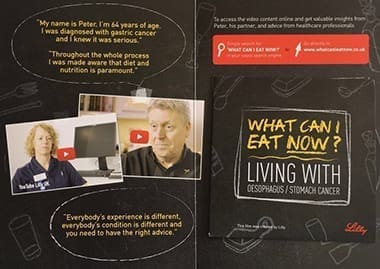
I focused on rebuilding my strength, both physically and mentally. It wasn’t easy adjusting to new eating habits and managing difficulty with swallowing was a big challenge. I had to learn how to eat smaller, more frequent meals, and take my time with every bite. But with the help of my doctors and dietitians, I learned how to make it work, and eventually, I was able to enjoy food again. It wasn’t the same as before, but it was still something I could appreciate. I found the literature from the OPA Cancer Charity really helpful, I can’t thank them enough.

OPA also put me in touch with a local cancer support group. Meeting others who had been through similar experiences was incredibly comforting. We shared our stories, supported each other, and offered advice and encouragement. It helped me feel connected and gave me even more hope for the future.

Embracing Hope and Resilience

Throughout this journey, hope was my constant companion. Each day of recovery brought its own set of challenges, but also new reasons to be hopeful. Every small victory—feeling less tired, gaining a little weight, or just being able to enjoy a day without needing to rest—became something to celebrate. I realised that cancer didn’t define me. It was just one part of my story.

Today, over a year since my treatment ended, I’m doing better than I could have imagined. I’m back to hiking, cooking meals with my family, and living life with a deeper appreciation. Oesophageal cancer tried to take a lot from me, but it couldn’t take away my hope, my strength, or my will to keep fighting.

Looking back, my journey wasn’t easy, but it’s a testament to the power of recovery and resilience. It shows that even in the face of a difficult diagnosis, there’s always hope—and the possibility of finding joy and strength once again.

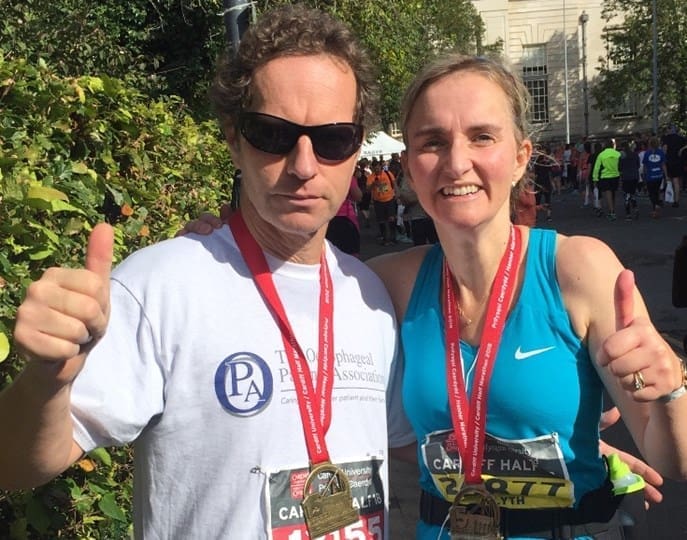
“The Aintree Half Marathon run, well I think the images speak for themselves on that one 🤣.

Then the 100 mile bike ride with my husband James, my top with Vals on the front I bought that because it had my dad’s name on it, felt fitting to wear it even though it didn’t really fit me🤣. We got lost on that bike ride but persevered and made our way back to the finish line with our own 100 mile improvised route, we were that late back that everyone had packed up and gone home. But we pushed on with my dad watching over us probably laughing as he did🤣.

Then there was the Manchester half Marathon. I felt I needed to make it as ridiculous as I could and did, it was hard but the vibe from the crowd and fellow runners was inspiring, As was the Aintree half marathon, the marshals, fellow runners and spectators all made it that bit easier, and gave me that extra push when I was flagging.

A lot of it was a comedy of errors or even just pure comedy gold. But the beauty is not only did it give me a platform to give some rhyme or reason to my dad being inflicted with the horrible thing that is oesophagus cancer, but it also gave other people a platform to be able to do something for my Dad. But most importantly it brought people together making new memories, while having many laughs with my dads infectious cheeky, fun spirit being right there with us. Not forgetting hopefully raising awareness and a little money along the way.” – Karen Ryan

My Story of Stage 2 Oesophageal Cancer​

I was diagnosed with stage 2 inoperable oesophageal cancer in November 2020, just after the start of the second lockdown. On further investigation it emerged that there was a ‘bulky tumour’ in my oesophagus and wrapped around the pericardium of my heart. There was one affected lymph node which was contained within my chest cavity.
I have none of the risk factors associated with oesophageal cancer as I have always had a low BMI, have never smoked, hardly ever drunk alcohol, didn’t eat spicy food and had no evidence of acid reflux, indigestion, burping or any of the reported risk factors. The only possible symptom I had, prior to having difficulty swallowing, was a constant gnawing sensation with which I had presented to my GP in 2016, and been referred me for an endoscopy ( I have an excellent GP). I observed this scope as I was not sedated and could see nothing suspicious, not that I would necessarily know, but nor could the Doctor who did it. Retrospectively I wonder if there were some very early cell changes (pre- cancerous), that the current research into the use of the cystosponge may have picked up back then.

I have been a nurse for 45 years, and I do remember learning from my medical texbook as a student nurse, about gnawing being a symptom of gastric or duodenal ulcers, as they were referred to in those days. But I never hear that symptom mentioned in current literature so I do wonder what current thoughts would be about this. The only other risk factor that I could have had, and again is not frequently quoted in the literature, was that I tended to drink my fluids quite hot.  I was also shown to have a positive result for faecal occult bloods when I was screened for bowel cancer the year before. I was called for a colonoscopy and again there really was nothing to show on that investigation. I retrospectively wonder if this could have been from my oesophageal tumour, which when diagnosed a year later, was 8cm long in the mid- region of my oesophagus. I asked my Oncologist if this could be the case and she said she thought it was possible. My colleague believes I had had it for a long time, as I hadn’t looked well.

On diagnosis I set out on what was a challenging 3 months of active treatment, which I think was quite aggressive. I was eligible to enter the SCOPE 2 trial for which I had a raft in investigations (hampered a little by lockdown). Scope 2 is a first line trial that you may be eligible for from the start. You start with the standard chemo and before your next three weekly chemo have a further PET scan. You are then randomised into the standard chemo or an alternative, depending, I think, on certain factors such as the amount of reduction in the size of the tumour in those three weeks. I was randomised into an alternate chemo, but one that is already used, certainly at the Trust I was being treated at. As well as this you are randomised into the standard radiotherapy of 50 rads, or the experimental dose of 60 rads – I was randomised into the standard radiotherapy, which was to prove a ‘blessing’ given later treatment outcomes.

I was used to visiting patients who where having or had had chemo, so I think I was very well prepared for how unwell I would be. I am also very determined but maybe I was lucky to tolerate the treatment (just about although very poorly), and also had a naso-jejunal feeding tube which goes into the jejunam, beyond the stomach (NJ tube). This was my ‘life saver’ as I couldn’t eat for weeks. I made it through the full treatment, ending up in hospital only at the end with septicaemia and pancytopenia (very few blood cells), for which I was treated with strong IV antibiotics and a blood transfusion.  I was poorly and weak and had dealt with the treatment almost on my own, due to lockdown. I was very lucky to be able to organise a rota of just a few people who offered to drive me to the hospital for all the chemo and combined chemo and radiotherapy (the latter being for 5 weeks at the end with weekly chemo. I am eternally grateful to all those friends and other friends who have helped or supported during this difficult time (especially with lockdown).

After the treatment I still couldn’t swallow very much and kept being sick. I continued with the feed and NJ tube while it lasted. Initially my Oncologist thought it was inflammation of my oesophagus, but at my post treatment CT scan after 6 months, it was very evidently a stricture. I then spent the next year having further endoscopies under sedation and dilations (having to self-isolate for three days prior to them each time). I think I had at least ten in total. Whilst I was having these I developed severe back pain in the November of 2021, which revealed a spontaneous vertebral wedge fracture of the thoracic vertebra, behind the region of the tumour. Further pain resulted in a cascade of four more vertebral fractures which became evident when I had a Dexa scan (scan of my bones), which my GP had arranged speedily. I turned out to have pre-existing severe osteoporosis, probably due to anorexia nervosa (but never made myself sick), that I had for a number of years in my late teens/early 20’s at a time when this was not monitored.

So I have been on a bit of journey. I walked off my shift the day before that diagnostic endoscopy in November 2020. I didn’t believe it could be anything so serious, as that would have been making a fuss, but I have never returned to nursing as it just hasn’t been realistic with my back pain, stricture and vomiting and the fatigue I experience even now. I have now survived for 3 1/2 years and so far can’t find anyone else in my situation. I think I may be lucky, but it has meant really adjusting and adapting to a changed lifestyle, as I was so active before and worst of all nursing. But life serves you challenges and I was lucky to be able to survive the treatment and still get out and about and I walk each day now, albeit in a more limited way- especially with the fatigue.

There are several areas I wonder about and would like to raise awareness of, to try to help others going through what I have been through.  Why isn’t the gnawing sensation ever mentioned?  Would I ever have been presented for screening with the cystosponge, as I had no real recognised risk factors and could I have been diagnosed sooner?  Could the knowing sensation have been an indicator of oesophageal cancer? For breast cancer, patients have a Dexa scan to screen for osteoporosis due to the hormone involvement. Would this ever happen for oesophageal or certain other cancers where radiotherapy is quite strong and the patient has a history of an eating disorder? It may not have made a difference but I could I could maybe have started the treatment of Denusomab injections every six months for my oesteoporosis, sooner? Denusomab injections are used to slow and strengthen bones. I also think I was very lucky not to have been randomised into the higher dose of radiotherapy as the standard dose did enough damage.

I am most grateful to my Consultant and the Team at the  University Hospital of Coventry and my wonderful GP ( who was and is always ‘there for me’) – my care has been ‘second to none’, despite all the challenges of COVID.

My name is Mike, I suppose I deserved my cancer!

After years of smoking, drinking alcohol to excess and bad diet choices I suffered with acid reflux and was diagnosed with a hiatus hernia in 1987 at a Bupa Hospital in Harpenden, but wasn’t told anything about what to do or what it could lead to.
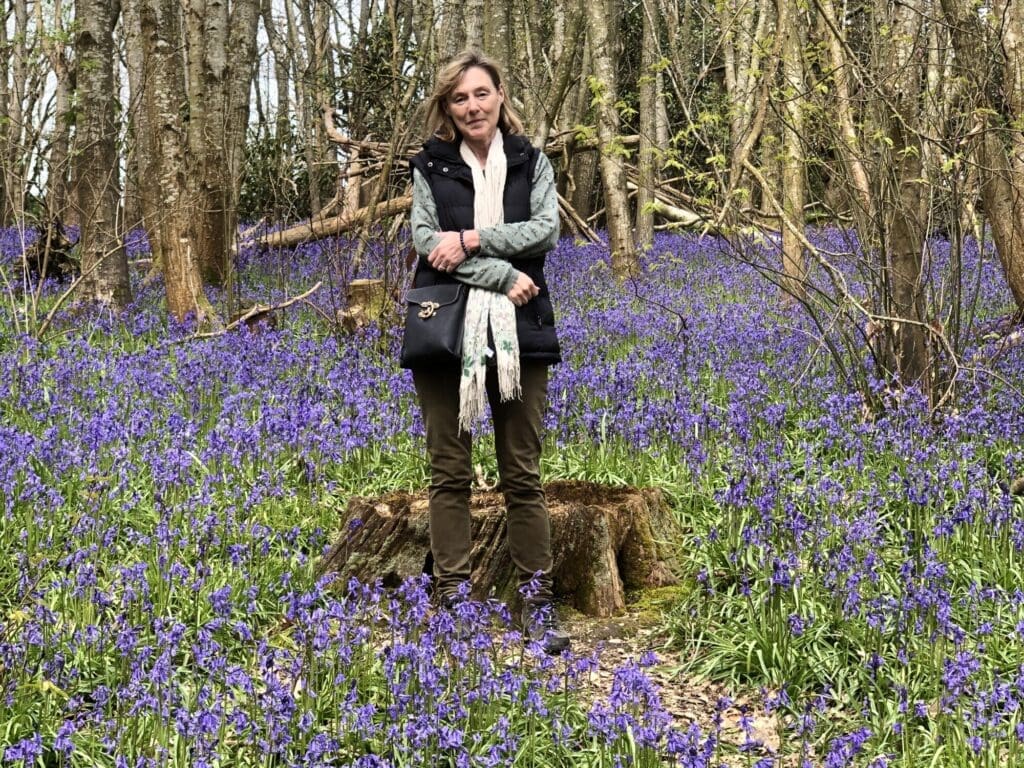
Fast forward to around July 2017 when I had a medication review, by this time it was being controlled by tablets and Endoscopies. I was told I was overdue for an endoscopy which I thought was recent, turned out it was 6 years ago rather than every year that they suggested.

The following fortnight I made an appointment with the doctor for 3 things.

  • I had burnt my armpits using a new flavour of Right Guard deodorant.
  • I was getting bad night cramps
  • I had a strange feeling in my tummy which was a tummy ache, just strange and had been there for about 2 weeks.

Little did I know that that tin of Right Guard was to save my life!

I was given a cream for my armpits. Tablets for the night cramps and sent for an Endoscopy a week later.

I was sent a letter from the consultant asking me to attend an appointment at Bedford Hospital where they conducted the endoscopy on 4th October 2017 and I was told I had a cancer at the base of my oesophagus where it joined the stomach.

They had already had a video call meeting to discuss my case with Addenbrooks Hospital.

I left the appointment that I attended on my own and cried when I got in my car. I rang my wife who was at work and told her.

An appointment was made to try a laser endoscopy to burn it out but it wasn’t an option then to see one of only 6 surgeons in the country who could do key hole surgery to remove my oesophagus and stretch my stomach to replace it.

On January 30th 2018 (isn’t it funny that you remember the exact dates ) I had a 8.5 hour operation in which they also sewed up a hernia and took my appendix out while they were there.

The operation was a complete success and no need for chemotherapy or radiotherapy.

I was supposed to be in for 3 nights and come out with a feeding tube. Unfortunately, I complicated it by having a stroke on ICU the next day. It wiped out my right side completely, I woke up 12 days later, with a tracheotomy and not being able to move.

I was in hospital and rehab until 21st June 2018.

Here I am 6 years later, can eat well, can walk and use my right arm, still have right side weakness and only one step away from a face plant but a survivor.

I am a typical bloke who didn’t look after myself and left things too long, but well done for burning my armpits Right Guard!

Hi, I’m Claire, I’m an oesophageal cancer patient.

Two and a half years ago I started having trouble swallowing bread and chicken, it felt like the food was getting stuck in my food pipe and wouldn’t go down for up to a minute each time. Aside from that I was well and healthy – I hadn’t smoked for 25 years and I walked and went for 10-mile cycle rides three times a week. I ignored the struggle to swallow some foods for a couple of months, thinking it was nothing serious, just acid reflux or something like that. Luckily for me, my partner had known someone with oesophageal cancer and he knew this could be a symptom of the disease. He made me go to my GP, and thankfully she took the symptoms seriously too.
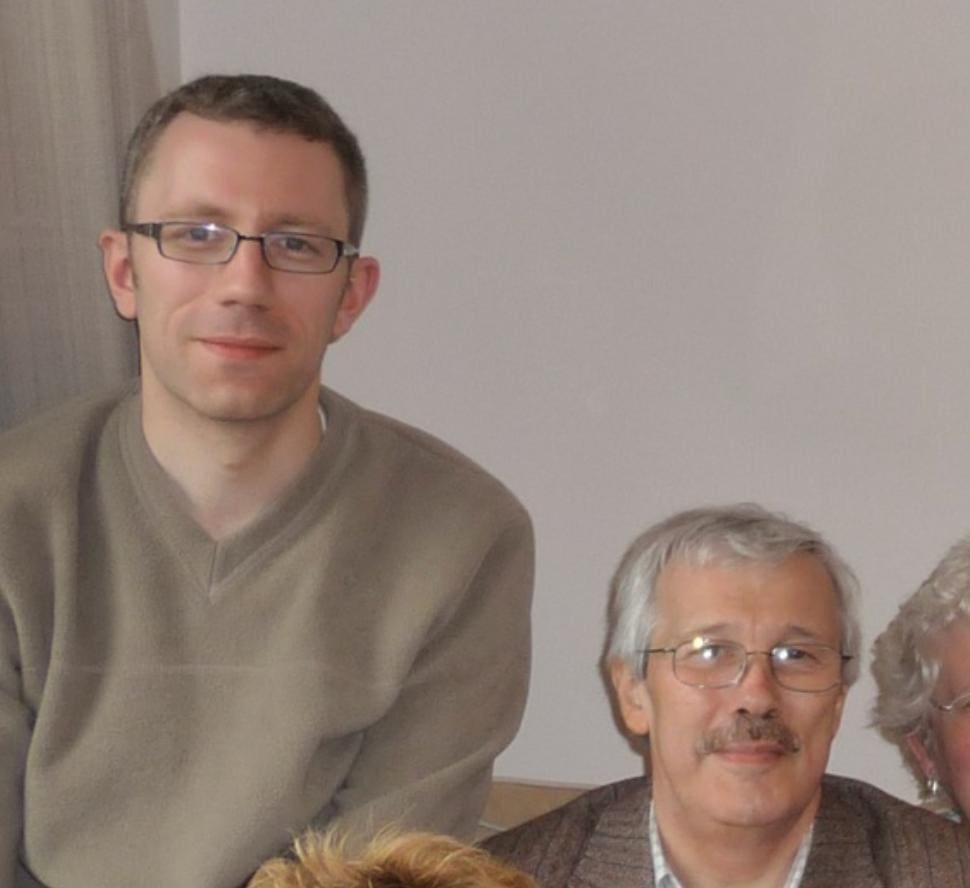
I was suddenly put on a fast-tracked pathway where I got the results from every test within two weeks. I believe that process, and my partner’s insistence about getting myself checked, saved my life. I was diagnosed with OC in September 2021, had chemo for four months then had an eight-hour operation to remove my oesophagus and the tumour in it. I’ve been slowly recovering ever since. It’s been a real slog, taking two years to go from six stone to eight, and be able to eat a range of different foods. But I won’t ever complain about this because I’m one of the lucky few – two thirds of the people diagnosed with oesophageal cancer find out about it too late to have the operation or anything else that can potentially save their lives.

That’s why I am passionate about raising awareness of this cancer – and the potential symptoms everyone needs to get checked out as soon as possible. They are having persistent heartburn or acid reflux, difficulty swallowing food, hiccups that won’t go away, unexplained pain in your chest and excessive burping or inability to burp. Suffer with any of these for more than three weeks and you have to get to your GP straight away to ask for a scan.

I’d never heard of oesophageal cancer until I was diagnosed with it, but I’d love other people to know it exists, so they can get treated and survive it instead of having it diagnosed too late