










Part three
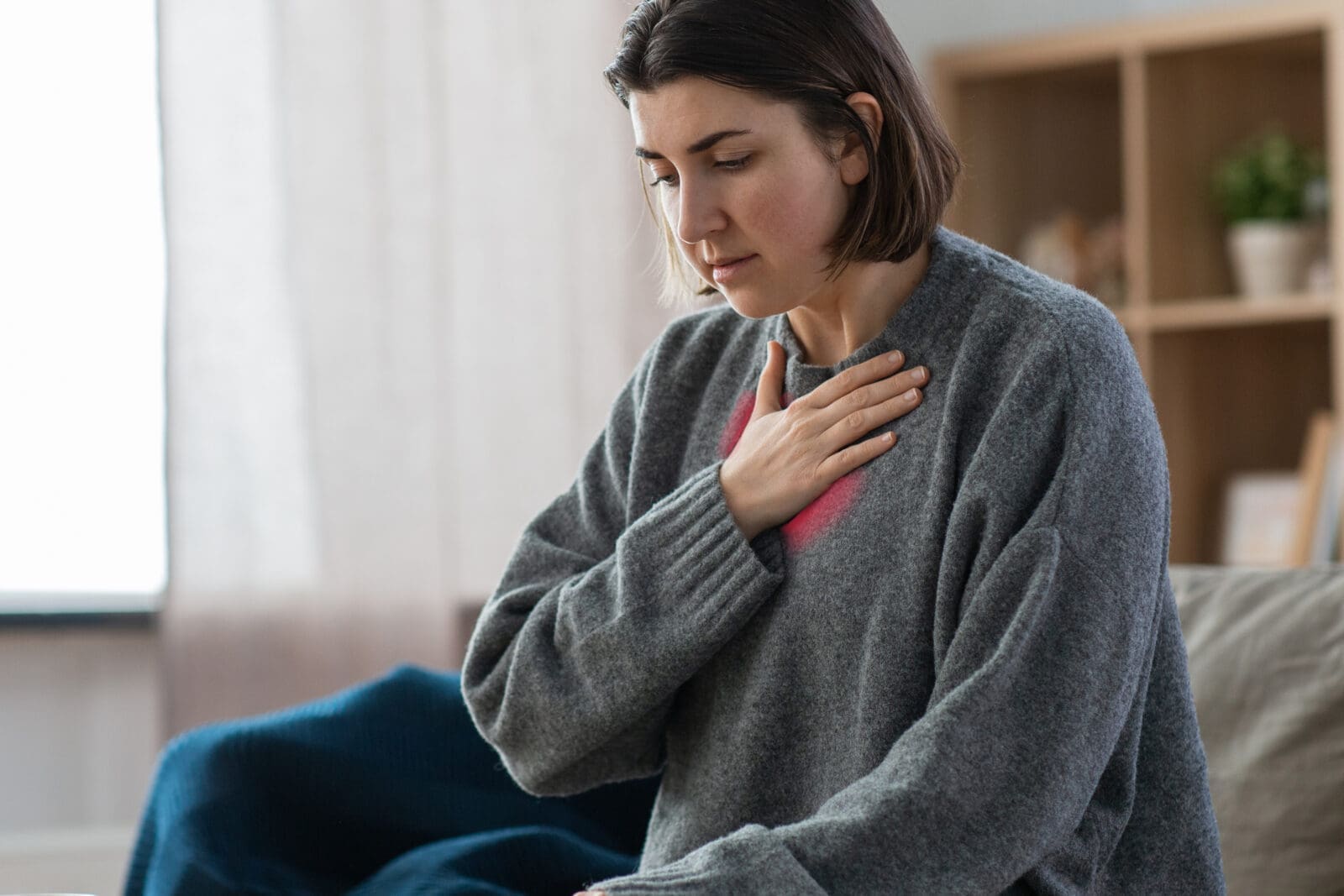
Certain foods can also cause your LOS valve to open. These include chocolate, coffee and alcohol, as well as meals high in fat and calories.
Spicy foods don’t cause acid reflux directly, but the capsaicin in peppers triggers receptors in the oesophagus, making reflux more painful (you have these same receptors in your rectum, which is why you can also have spicy poos). Most of the time, you can keep it under control by limiting these foods, but there are special occasions where we want to go out for a nice meal, have a glass of wine and some chocolate cake for dessert without keeling over in pain. This is where supplements can come in.
Alginates are compounds found in seaweed and they are used in treatments for acid reflux like Gaviscon Advanced. The problem is people often use these incorrectly. You don’t wait for the heartburn to set in; instead, you should take it immediately after a provocative meal, because it helps to form a raft at the top your stomach, like an extra barrier to block reflux.
There are other supplements to try, too, such as slippery elm, which is a herb that stimulates mucus production in the stomach to neutralise acid. You can take it as a powder or in a capsule, but it’s best made into a tea: mix 1-2 teaspoons in some boiling water and add honey, to taste.
Information source – “How to Gut Health” publication by Jordan Haworth, Gut Health Scientist. – https://www.amazon.co.uk/How-Gut-Health-Science-backed-metabolism/dp/1785046241